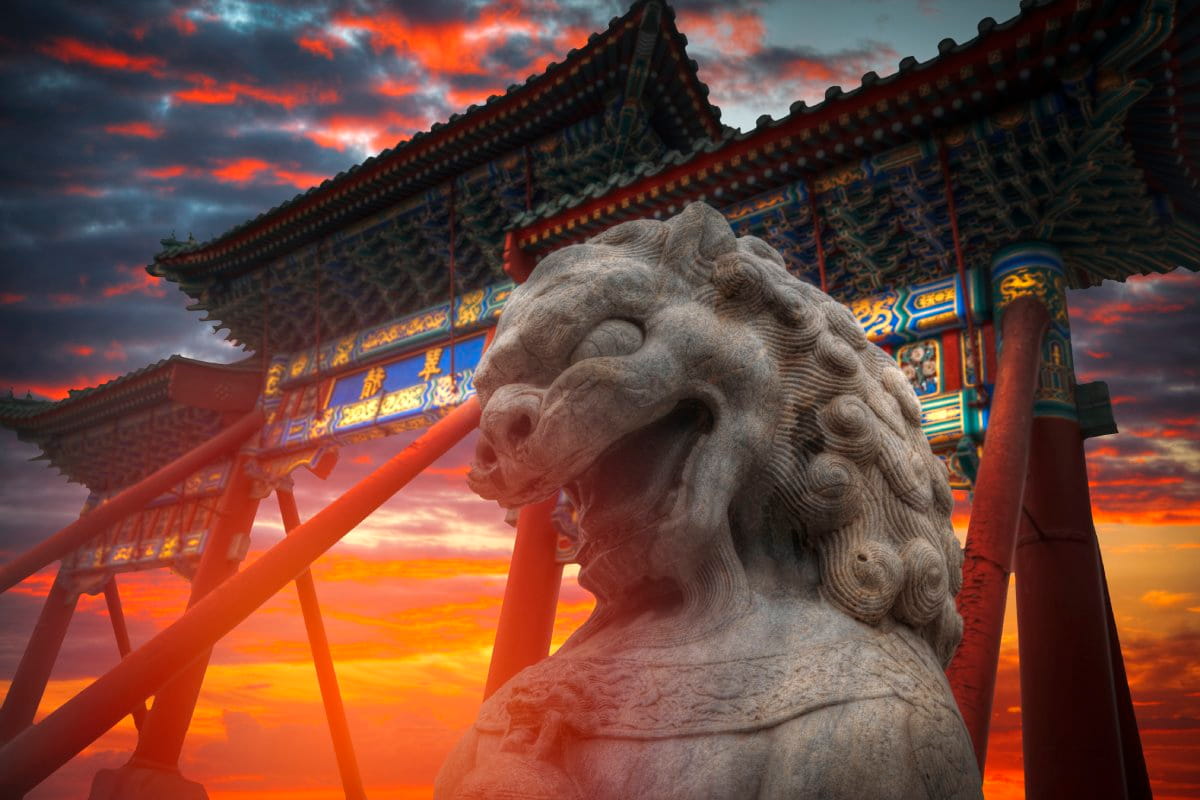
When you walk through the towering Meridian Gate today, the sheer scale of the Forbidden City is enough to take your breath away. But to see these red walls and golden roofs merely as a static museum is to miss the vibrant, beating heart of its history. For nearly 500 years, this complex was not just a residence for the Emperor; it was a cosmic stage. Every flagstone, every incense burner, and every intricately painted beam was designed to facilitate rituals that connected the Son of Heaven with the celestial order. As we move through January 2026, the silence of the courtyards still echoes with the pageantry of the past.
Understanding the Forbidden City requires looking beyond the physical structures to the ceremonies that defined them. These were not empty formalities; they were the engine of the empire. From the thundering drums of an enthronement to the quiet, smoky whispers of shamanic rites in the inner chambers, rituals dictated the flow of life here. They influenced the layout of the buildings, the color of the tiles, and the very path you walk upon today. To truly grasp the magnitude of what transpired here, one must delve into the remarkable story of China's most iconic imperial residence, where history was written in ritual.
To enhance your understanding, consider exploring visual representations of these rituals. Detailed maps showcasing processional routes, diagrams illustrating the layout for specific ceremonies, or even artistic renderings of imperial attire can significantly enrich your experience. Look for these resources at the museum or online before your visit.
The Outer Court: A Stage for the Empire
The southern half of the Forbidden City, known as the Outer Court, was designed for spectacle and intimidation. Here, architecture served the ritual, creating an environment where the Emperor appeared not as a man, but as a deity. The vast emptiness of the courtyards was intentional. During grand ceremonies, these spaces were filled with thousands of officials, standing in absolute silence, arranged strictly by rank. The visual impact of this human geometry against the backdrop of the Hall of Supreme Harmony was designed to enforce the hierarchy of the Qing and Ming dynasties.
The Hall of Supreme Harmony (Taihedian) is the centerpiece of this ritualistic landscape. It was reserved for the most significant events: the enthronement of a new Emperor, the Emperor's birthday, and the Winter Solstice. If you look closely at the traditional Chinese architectural brilliance of this hall, you will notice it sits on a three-tiered marble terrace. This elevation wasn't just aesthetic; it was a ritual necessity, physically lifting the Emperor above the mortal realm.
The Sound of Power
Rituals in the Outer Court were a sensory overload. During the Winter Solstice, the air would be thick with the smoke of sandalwood and pine. The soundscape was equally important. An imperial orchestra, utilizing ancient instruments like bronze bells and stone chimes, played music that was believed to harmonize the universe. The ringing of the bells at the Meridian Gate would signal the Emperor's movement, a sound that resonated across the entire capital.
- The Imperial Walkway: The central marble ramp carved with dragons was reserved exclusively for the Emperor's sedan chair.
- The Kowtow: Officials had to perform the 'three kneelings and nine kowtows'—a physical ritual of submission that reinforced the Emperor's absolute authority.
- Color Symbolism: The extensive use of yellow (representing the earth and the Emperor) on the roofs was strictly regulated by ritual law.
The Inner Court: Private Rites and Shamanism
Crossing the Gate of Heavenly Purity, the atmosphere shifts. The Inner Court was the domestic sphere, but it was no less bound by ritual. Here, the ceremonies were intimate, focusing on ancestor worship, weddings, and the daily life of the imperial family. The architecture here is denser, the courtyards more enclosed, reflecting the private nature of these events. Exploring these areas often requires a good strategy, so checking curated routes can help you navigate the transition from the grand Outer Court to the labyrinthine Inner Court.
One of the most fascinating aspects of the Qing Dynasty (1644–1911) was the introduction of Manchu shamanistic rituals into the palace. The Palace of Earthly Tranquility (Kunninggong), originally the Empress's residence, was converted into a space for religious sacrifice. It is a jarring juxtaposition: a grand imperial hall housing a rustic kitchen for boiling sacrificial meat. Rituals here involved spirit poles and the daily offering of cakes and wine to the spirits, a practice that kept the Manchu rulers connected to their nomadic roots even while living in the lap of luxury.
The Imperial Wedding
An Emperor’s wedding was a ritual of massive proportions that bridged the Inner and Outer Courts. The route the Empress took entering the palace was strictly choreographed. The entire Forbidden City was decorated with double-happiness symbols and red lanterns. The bridal chamber in the Palace of Earthly Tranquility was painted entirely in red, a color that dominates the visual palette of the palace. Capturing the contrast between the solemn grey stones and the vibrant red walls is a highlight for photographers. If you are keen on visual storytelling, our photography guide offers tips on how to utilize the light in these narrower courtyards.
Rituals by the Season
The Forbidden City operated on a lunar calendar, and rituals marked the passing of time. The architecture was designed to align with these celestial changes. The placement of buildings often corresponds to astronomical alignments, ensuring that the Emperor, as the pivot between heaven and earth, was always perfectly positioned.
| Ceremony/Ritual | Location | Significance | Architectural Impact |
| Grand Enthronement | Hall of Supreme Harmony | Transfer of Mandate of Heaven | Largest hall, highest roof, central axis placement. |
| Morning Audience | Gate of Heavenly Purity | Daily governance & reporting | Open-air setting forced officials to endure weather, showing dedication. |
| Shamanic Sacrifice | Palace of Earthly Tranquility | Manchu spiritual protection | Installation of cooking vats and spirit poles within a residential hall. |
| Lunar New Year | Throughout the Complex | Renewal and family unity | Temporary lanterns and couplets adorned every door frame. |
Winter was a particularly busy time for rituals. The stark beauty of the palace under snow highlights the solemnity of these ancient practices. If you are wondering when to experience the palace at its most atmospheric, our guide on the best time to visit breaks down the seasonal advantages, including the quiet dignity of the winter months.
How Rituals Shaped the Architecture
It is impossible to separate the buildings from the behaviors they were built to house. The strict symmetry of the Forbidden City is a direct result of the Confucian ritual requirement for order and balance. The central axis, which runs through the entire city of Beijing, bisects the Forbidden City, representing the Emperor's central role in the cosmos.
Even the roof ornaments, the delightful glazed beasts perched on the eaves, are dictated by ritual hierarchy. The Hall of Supreme Harmony has ten such beasts—the only building in the empire allowed this number—signifying its supreme status. Every door stud, every color choice, and every height restriction was a physical manifestation of a ritual rule. When you look at the options for experiencing the palace, consider a guided tour that specifically points out these subtle architectural details that many casual observers miss.
Walking in Their Footsteps
Today, the drums are silent, and the smoke has cleared, but the architecture remembers. As you wander through the vast plazas, try to imagine the silence of ten thousand officials bowing in unison. Visualize the silk banners fluttering against the red walls. The Forbidden City is located right in the center of the modern capital, and getting there is straightforward. You can check the transport guide to find the most efficient route to the Meridian Gate.
For a complete experience, remember that the rituals often extended beyond these walls. The Emperors would travel to nearby altars for specific sacrifices. After exploring the palace, take time to visit the nearby attractions, such as Jingshan Park or the Temple of Ancestors, to see the broader context of Beijing's imperial sacred geography.
Echoes of Ritual Today
While the imperial rituals themselves are no longer practiced, their influence subtly persists in modern Chinese culture and governance. The emphasis on hierarchy, order, and respect for tradition, all cornerstones of the Forbidden City's ritualistic life, continue to resonate in social interactions and political discourse. Furthermore, the Forbidden City itself, now a UNESCO World Heritage site, serves as a powerful symbol of Chinese identity and history, reminding visitors and citizens alike of the grandeur and complexity of their past. The preservation efforts surrounding the site can even be seen as a modern-day ritual of sorts, a commitment to honoring and maintaining a vital piece of cultural heritage.
Before you go, always ensure you have the latest information on logistics. Access is strictly controlled to preserve this heritage site. Checking the opening hours and closure dates (usually Mondays) is essential for a smooth trip. By understanding the rituals that once breathed life into these halls, your visit becomes more than a sightseeing tour; it becomes a journey into the soul of a civilization.