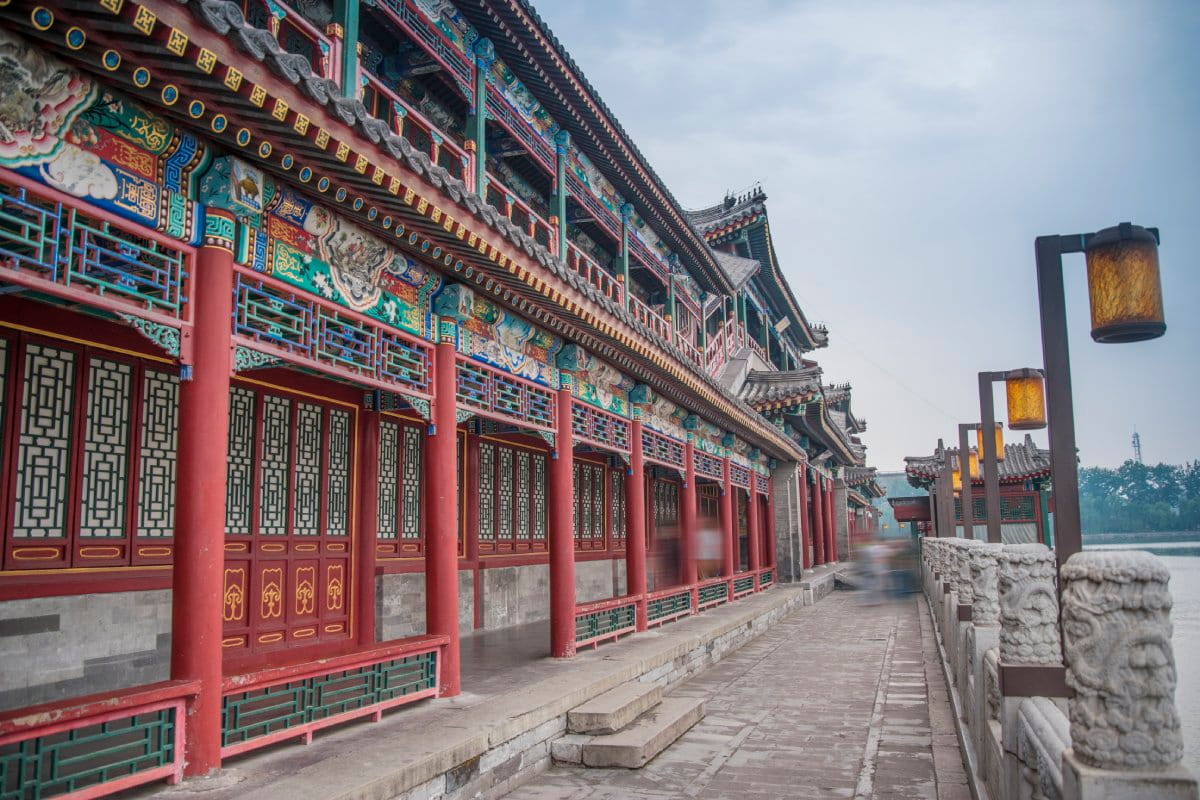
Stepping through the Meridian Gate is more than just entering a museum; it is a transition into a world where emperors once ruled as the Son of Heaven. The Forbidden City, with its 9,999 and a half rooms, is a labyrinth of history, art, and architectural mastery. However, before you can lose yourself in the grandeur of the Ming and Qing dynasties, there is a crucial logistical hurdle to clear: securing the right access. For international travelers in 2026, the ticketing system can seem slightly opaque, with various tiers of entry and strict booking windows. Understanding these options is not just about getting through the door; it is about curating an experience that matches your curiosity and travel style.
The days of walking up to the ticket window on a whim are long gone. Today, visiting this UNESCO World Heritage site requires foresight and a clear understanding of what you want to see. Whether you are a solo photographer chasing the morning light or a history enthusiast wanting to uncover every secret of the Imperial Court, choosing the right ticket type is the foundation of a successful visit. This guide explores the nuances of admission options, ensuring your journey into the heart of Beijing is as seamless as it is spectacular.
The Golden Rule: Advance Booking is Mandatory
If there is one piece of advice that supersedes all others, it is this: do not arrive without a booking. The Palace Museum operates on a strict quota system to preserve the ancient structures and manage crowd flow. Tickets are released online in advance—typically seven days prior—and they often sell out within minutes of release, especially during peak seasons like the Lunar New Year or the Golden Week holidays. Imagine arriving during Golden Week, only to be turned away at the gate – a common occurrence for those who don't book ahead. For international visitors, your passport acts as your ticket. When you book, your ID number is registered in the system, and entry is granted by scanning your passport at the gate.
Because the complex is so vast, spanning over 180 acres, the authorities have divided entry into specific time slots (morning and afternoon). Missing your slot can result in denied entry, so punctuality is key. To ensure you understand the specific timing regulations and closure days (usually Mondays), it is essential to check the current Opening Hours before finalizing your travel plans. Being aware of the schedule helps you avoid the disappointment of arriving at a closed gate.
Breakdown of Ticket Categories
The Forbidden City is not a single building but a sprawling complex. Consequently, the ticketing structure is designed to offer different levels of access. While a standard ticket gets you into the main grounds, specific treasures are hidden behind additional paywalls or require separate reservations.
1. General Admission (The Big Ticket)
The standard General Admission ticket is the prerequisite for entering the complex. This ticket grants you access to the Forbidden City through the Meridian Gate and allows you to walk the central axis—the path of the Emperors. With this pass, you can explore the majestic Outer Court, including the Hall of Supreme Harmony, the Hall of Central Harmony, and the Hall of Preserving Harmony. It also includes access to the Inner Court, where the Imperial family lived, and the Imperial Garden.
For many visitors, this ticket offers enough to fill a half-day itinerary. You will witness the sheer scale of the Architecture, observing the intricate roof charms, the grand plazas, and the deep cosmic symbolism embedded in the layout of the halls. However, this ticket does not grant access to the specialized galleries housed within specific palaces.
Advantages: This is the most affordable option and provides a comprehensive overview of the main palace complex. Disadvantages: It doesn't include access to the Treasure Gallery or Hall of Clocks, which house some of the most impressive artifacts.
2. The Treasure Gallery (The Ningshou Palace District)
Located in the northeast corner of the complex, the Treasure Gallery requires an additional ticket. Is it worth it? Absolutely. This area, also known as the Palace of Tranquil Longevity, is essentially a museum within a museum. It houses a stunning collection of imperial artifacts, including gold and silver utensils, pearl-encrusted robes, and the famous jade sculpture, "Dayu Taming the Floods."
Beyond the artifacts, the Treasure Gallery ticket grants access to the famous Nine Dragon Screen and a quieter, more intimate section of the palace that many tour groups skip. If you are following one of our detailed Itineraries, adding this to your route is highly recommended for a deeper appreciation of the immense wealth of the Qing dynasty. Imagine seeing the intricate details of the jade sculpture up close – a truly unforgettable experience.
Advantages: Access to unique and exquisite imperial artifacts, fewer crowds compared to the main areas. Disadvantages: Requires an additional ticket, located further away from the main axis, potentially adding to your walking distance.
3. The Hall of Clocks (The Watch Gallery)
Similar to the Treasure Gallery, the Hall of Clocks (located in the Hall for Ancestral Worship) requires a separate entry fee. This exhibition displays a fascinating collection of elaborate timepieces gifted to the Qing emperors by European monarchs, as well as clocks manufactured in the imperial workshops. The mechanical ingenuity on display here is breathtaking. While it is a smaller section than the Treasure Gallery, it provides a unique glimpse into the diplomatic and technological exchanges of the 18th and 19th centuries.
Advantages: A unique collection of historical timepieces, insight into Qing dynasty's interactions with the West. Disadvantages: Requires an additional ticket, smaller exhibit compared to the Treasure Gallery, may not appeal to all visitors.
Comparing Your Options
To help you visualize the differences, here is a breakdown of what each option entails regarding access and experience:
| Ticket Type | Primary Access | Best For | Estimated Time |
| Standard Entry | Meridian Gate, Outer Court, Inner Court, Imperial Garden | First-time visitors, Architecture lovers | 2-3 Hours |
| Treasure Gallery Add-on | Ningshou Palace District, Artifact Exhibitions, Nine Dragon Screen | Art enthusiasts, those seeking fewer crowds | +1 Hour |
| Clock Gallery Add-on | Hall for Ancestral Worship, Timepiece Collection | History buffs, Mechanical art lovers | +30 Minutes |
Guided Tours vs. Independent Exploration
Once you understand the ticket types, the next decision is how to navigate the complex. You generally have two choices: booking a standalone ticket for self-guided exploration or purchasing a package that includes a professional guide.
The Solo Explorer
If you prefer to move at your own pace, purchasing standard tickets and exploring independently is a liberating experience. This option is ideal for photographers who want to linger in the corners of the courtyards to capture the light hitting the golden roof tiles. If you choose this route, be sure to consult our Photography Guide to find the best angles and hidden spots. Solo travelers should also download an audio guide or bring a guidebook, as the signage can sometimes be brief. Navigating the sheer size of the palace can be daunting, so having a plan is essential.
The Guided Experience
For those who want to peel back the layers of History without constantly checking a map, a guided tour is often the superior choice. Official ticket platforms and private agencies offer packages that bundle the entry tickets with an expert guide. These guides provide context that stones and timber cannot convey—stories of concubines, eunuchs, political intrigues, and the daily rituals of the Emperor. A guided tour ensures you don't miss the subtle details, such as the significance of the roof beasts or the water vats used for fire prevention. You can explore various guided options on our Tickets page to find a tour that matches your language preference and depth of interest.
Logistics: Arrival and Seasonal Factors
Regardless of the ticket type you choose, getting to the entrance smoothly is part of the equation. The Forbidden City is located in the very heart of Beijing, but traffic can be unpredictable. Utilizing the subway is often the most reliable method. Our guide on How to Get There offers detailed instructions on which subway exits to use to reach the Meridian Gate efficiently.
Furthermore, your experience will vary significantly depending on the time of year. Summer brings heat and crowds, while winter offers a stark, frozen beauty (and fewer tourists). The ticket availability also fluctuates with the seasons. During the "off-peak" season (November to March), tickets are slightly easier to secure compared to the "peak" season (April to October). To optimize your booking strategy, review our Best Time to Visit guide.
Extending Your Visit
The Forbidden City does not exist in a vacuum. Once you exit through the Gate of Divine Prowess (the north gate), you are perfectly positioned to explore more of Beijing's historic core. Directly opposite the exit lies Jingshan Park, where a climb to the top of the hill offers the only panoramic view of the entire Forbidden City complex—a view that truly puts your visit into perspective. Planning your day to include these Nearby Attractions turns a simple museum visit into a comprehensive cultural immersion.
In conclusion, the key to unlocking the Forbidden City lies in preparation. By distinguishing between the general admission and the special galleries, and by deciding between a solo adventure or a guided narrative, you ensure that your walk through the Imperial Palace is not just a sightseeing trip, but a journey through time. Secure your tickets early, bring your passport, and prepare to be awestruck by the grandeur of China's imperial past.