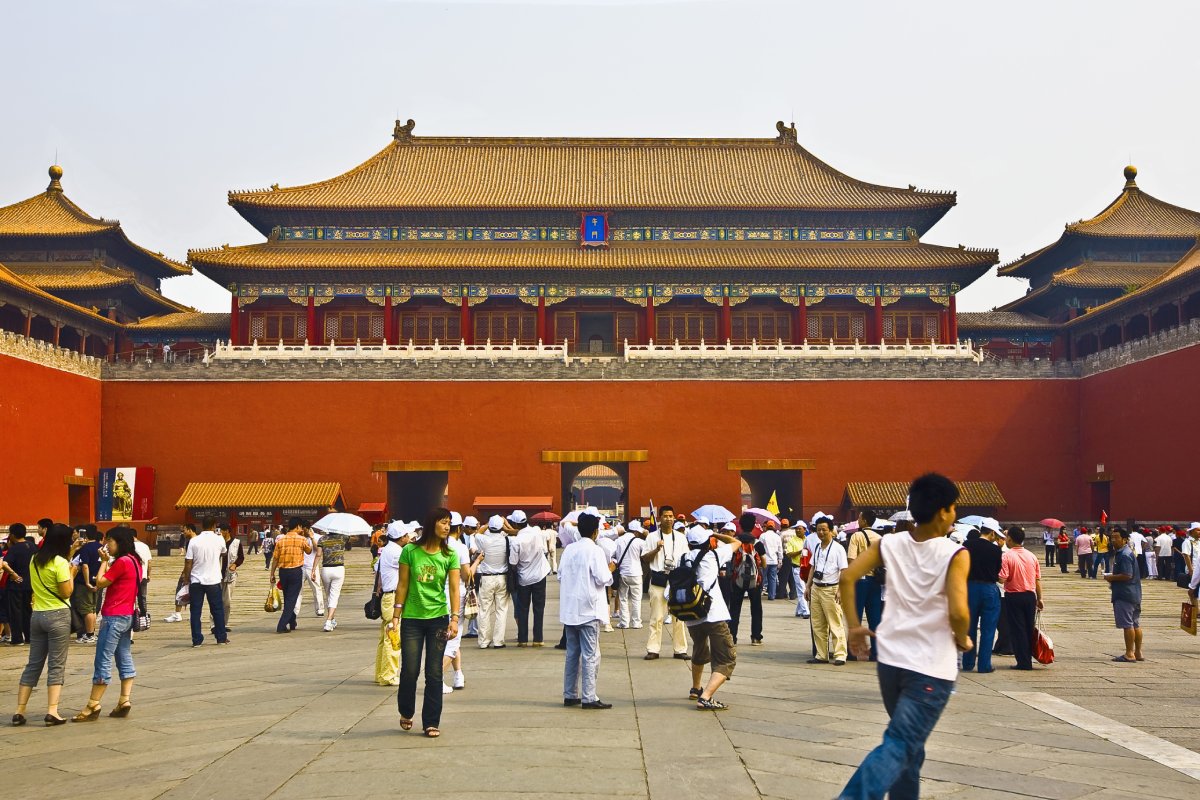
Standing before the colossal walls of the Forbidden City is a moment that defines many travelers' trips to Beijing. As you approach the heart of the capital in January 2026, the anticipation is palpable. However, before you can step into the vast courtyards of the Ming and Qing dynasties, you must navigate the modern realities of entering one of the world's most protected heritage sites. The entry process is strictly regulated, and understanding the logistics beforehand is the difference between a seamless start to your day and a frustrating delay at the gates.
Many visitors arrive assuming they can enter from any direction or that a digital copy of their identification will suffice. These are common misconceptions that can derail your itinerary. The entry procedure is designed to manage thousands of daily visitors while protecting the structural integrity of the palace. By mastering the specific requirements regarding the Meridian Gate, passport protocols, and security screenings, you ensure that your focus remains on the breathtaking history awaiting you inside, rather than administrative hurdles.
The Meridian Gate: Your Only Point of Entry
The first and most critical piece of logistical information you need is that there is only one entrance for general visitors: the Meridian Gate (Wu Men). Located at the southern end of the complex, this U-shaped architectural marvel is the largest gate in the Forbidden City. In the past, visitors could enter from the north, but to streamline crowd flow and protect the cultural heritage, a strict one-way south-to-north route has been enforced for several years.
If you mistakenly arrive at the northern Gate of Divine Prowess (Shenwu Men), you will be denied entry and face a long, time-consuming detour back to the south side. To avoid this common pitfall, you must plan your arrival carefully. We recommend reviewing our guide on how to get there to find the most efficient subway routes or taxi drop-off points that place you close to the Meridian Gate, saving your energy for the extensive walking required inside the palace.
Approaching from Tiananmen Square via the Duanmen Gate is the traditional route, allowing you to soak in the monumental scale of the axis. As you walk towards the entrance, you will see the five pavilions of the Meridian Gate rising above the red walls, signaling the start of your imperial immersion.
The Non-Negotiable Rule: Physical Passports Required
If there is one piece of advice you take away from this guide, let it be this: you must bring your original, physical passport. This is not a suggestion; it is a mandatory requirement for entry. The Forbidden City operates on a real-time, real-name booking system. When you purchase your entry passes, your specific passport number is linked to your reservation in the central database.
At the entry turnstiles, there are no physical paper tickets to scan. Instead, the staff or automated gates scan the identification document itself. Here is why this matters significantly:
- No Digital Copies: Photos of your passport on your phone, photocopies, or screenshots of your booking confirmation are not accepted at the gate.
- Matching Details: The passport you hold in your hand must match the number used during the booking process exactly. If you have renewed your passport since booking, you must bring both the old and new documents or update your booking in advance.
- Group Travel: If you are visiting with family or a tour group, every single individual, including children and seniors, must have their own physical ID ready for inspection.
For those who haven't secured their entry yet, it is vital to finalize this well in advance, as tickets sell out rapidly. You can explore options for standard entry or guided experiences on our tickets page to ensure your passport is registered in the system correctly.
Decoding the Security Screening Process
Security at the Forbidden City is comparable to airport screening. Given the site's political location near Tiananmen Square and its status as a premier cultural relic, safety protocols are rigorous. Understanding what happens at the checkpoint will help you breeze through without holding up the line.
The Checkpoint Flow
Upon reaching the Meridian Gate plaza, you will be funneled into security lanes. The process generally follows these steps:
- Document Check: Staff will verify your physical passport and facial recognition may be used to match the ID holder. Be prepared to remove your passport from any cover or wallet for easier scanning.
- X-Ray Screening: All bags, purses, and backpacks must be placed on the conveyor belt for X-ray scanning. Ensure all electronic devices, such as phones and laptops, are easily accessible, as security personnel may request that they be removed from your bag for individual inspection.
- Metal Detection: You will walk through a metal detector gate. If it beeps, a security officer will perform a quick scan with a handheld wand. Remove any metal objects from your pockets beforehand to minimize delays.
- Bag Inspection: If the X-ray operator spots a restricted item, you will be asked to open your bag for a manual search. Cooperate fully with security personnel during this process.
To expedite this process, we suggest carrying minimal luggage. Large suitcases are not permitted inside the palace complex and storing them can be a hassle. Traveling light allows you to move through the checkpoints faster and enjoy the architecture without being weighed down.
Prohibited Items Checklist
To avoid confiscation or having to abandon your belongings at the gate, it is essential to know what you can and cannot bring. The museum administration enforces strict rules to prevent fire hazards and damage to the ancient wooden structures.
| Category | Status | Details |
| Lighters & Matches | Strictly Prohibited | The entire complex is a no-smoking zone due to ancient wood construction. |
| Knives & Sharp Objects | Prohibited | Includes Swiss Army knives, fruit knives, and scissors. |
| Camera Tripods | Restricted | Large commercial tripods are generally banned to prevent blocking pathways. Monopods are often tolerated but check current rules. See our photography guide for handheld tips. |
| Selfie Sticks | Allowed | Allowed provided they are not used in crowded areas where they might cause injury or damage. |
| Water & Snacks | Allowed | You can bring your own food and drinks, which is recommended as onsite vendors can be busy. |
| Paint/Markers | Prohibited | To prevent graffiti and vandalism of historic surfaces. |
Timing and Logistics for a Smooth Entry
The time of day you choose to enter significantly impacts your experience at the Meridian Gate. Mornings, specifically right when the gates open, tend to see the largest surge of tour groups. If you arrive between 8:30 AM and 9:30 AM, expect longer queues at the security checkpoints. For independent travelers, arriving slightly later in the morning or just after the lunch rush can sometimes result in a shorter wait time, though you must balance this with the time needed to explore the vast grounds.
It is crucial to consult the official opening hours before your visit. The museum is closed on Mondays (except for statutory holidays), and entry stops well before the actual closing time. Missing the last entry cut-off is a heartbreaking mistake to make after traveling all the way to the gate.
Furthermore, weather plays a role. In January 2026, Beijing is in the grip of winter. The plaza in front of the Meridian Gate is open and exposed to the elements. Dressing in layers and wearing comfortable shoes is vital, not just for the walk inside, but for the potential wait outside. Check our best time to visit page for seasonal advice on how to dress and what to expect regarding weather conditions.
Appreciating the History While You Wait
While security lines can be tedious, they offer a unique vantage point. As you inch closer to the Meridian Gate, take a moment to look up. You are standing before the structure where emperors reviewed their armies and announced the new calendar. The gate itself is a masterpiece of history, with its five towers resembling a phoenix spreading its wings. The central archway was historically reserved exclusively for the Emperor; the Empress could enter through it only once, on her wedding day.
Today, you walk through these same corridors. Observing the sheer height of the red walls and the intricacy of the roof eaves can turn a mundane wait into an appreciation of imperial grandeur. This mental shift helps set the tone for the architectural wonders you are about to witness.
Once You Are Inside: Planning Your Route
Once you clear security and pass through the Meridian Gate, the noise of the city fades behind the massive walls, and the Golden Water River bridges stretch out before you. You have successfully navigated the most stressful part of the visit. Now, the sprawling 180 acres of the palace are yours to explore.
Because the complex is so vast, having a plan is essential. Do you head straight up the central axis to see the Hall of Supreme Harmony, or do you veer east to visit the Treasure Gallery? We strongly recommend reviewing our curated itineraries to maximize your time. Whether you have two hours or a full day, knowing where to go prevents aimless wandering.
After you have soaked in the imperial majesty and exited via the Gate of Divine Prowess in the north, you'll be perfectly positioned to explore Jingshan Park or other nearby attractions. But for now, take a deep breath as you step through the Meridian Gate—you have officially entered the Forbidden City.