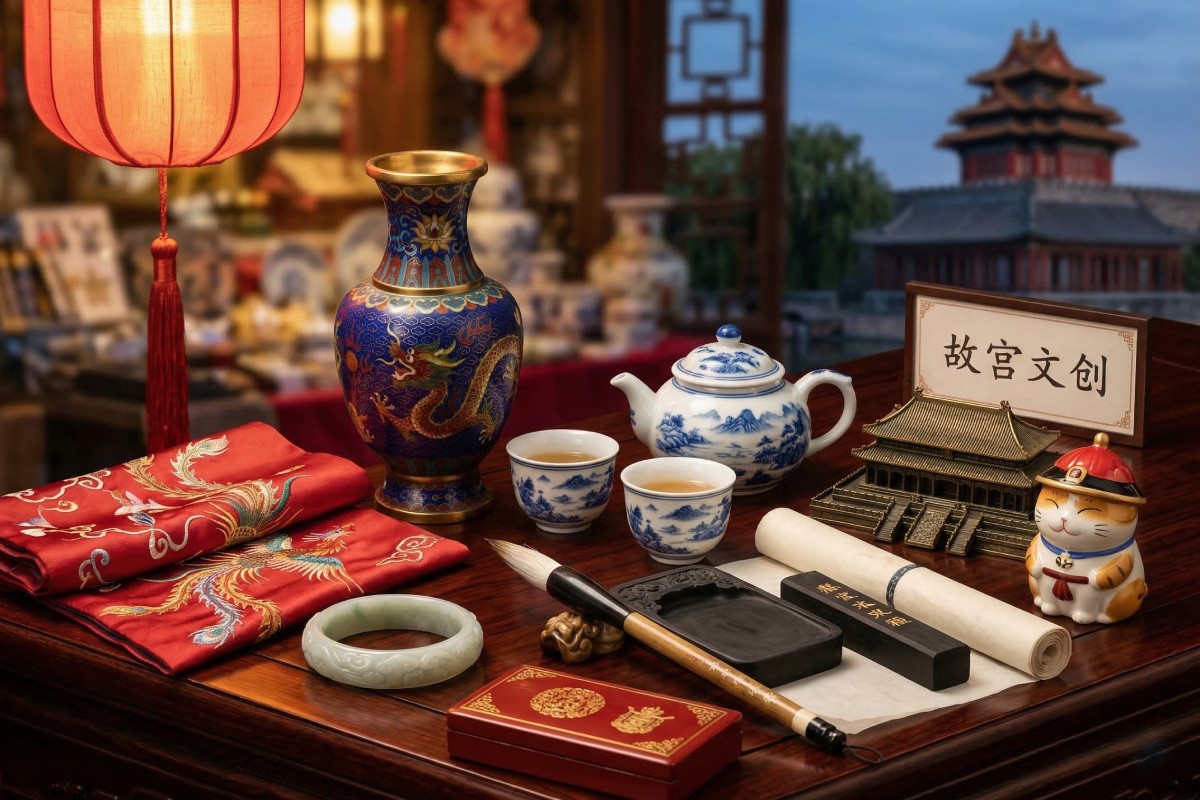
Walking through the majestic gates of the Forbidden City is an experience that stays with travelers long after they have returned home. The sheer scale of the courtyards, the intricate details of the rooflines, and the weight of centuries of history create a profound impression. While photographs are a wonderful way to capture these moments, finding a tangible object to represent your journey adds a special layer to the memory. Fortunately, the shopping scene around Beijing’s imperial palace has evolved significantly in recent years. Gone are the days when options were limited to low-quality keychains; today, visitors can find exquisite, culturally significant mementos that blend ancient aesthetics with modern functionality.
Whether you are looking for a small token for a friend or a high-quality piece of art for your home, the area surrounding the palace offers a treasure trove of options. However, with so many vendors and shops, it can be overwhelming to distinguish between mass-produced trinkets and genuine craftsmanship. Before you embark on your journey, it is wise to plan your day using curated itineraries to ensure you have ample time for both sightseeing and browsing the unique shops located within and around the complex.
The Palace Museum’s Official Cultural Products
In recent years, the Palace Museum (the official name of the Forbidden City museum) has revolutionized the souvenir industry in China. They have launched a line of "cultural creative" products that have become incredibly popular among locals and tourists alike. These items are not merely branded merchandise; they are thoughtfully designed products that draw direct inspiration from the imperial collections. You can find official gift shops scattered throughout the complex, often near the major halls and the Imperial Garden.
Stationery and Calligraphy Supplies
For those who appreciate the written word, the stationery collections are unmatched. You can find beautifully bound notebooks featuring covers inspired by the robes of Qing Dynasty emperors or the intricate ceiling patterns of the Hall of Supreme Harmony. Washi tapes depicting the history of the royal court, distinctive brass bookmarks, and calligraphy sets are favorites. These items are lightweight, easy to pack, and serve as a daily reminder of the elegance of Chinese culture once you are back at your desk.
Imperial Cosmetics and Accessories
One of the most surprising and successful product lines involves cosmetics. The museum offers lipsticks, blushes, and compact mirrors that feature packaging derived from traditional embroidery and porcelain designs. The colors are often chosen to match the hues found in the palace’s artifacts. Additionally, you can find silk scarves and jewelry that mimic the accessories worn by empresses, allowing you to take a piece of imperial fashion home with you. These make for exceptional gifts because they combine utility with the deep artistic heritage of the site.
Authentic Beijing Handicrafts
While the official museum stores offer modern interpretations of history, the streets surrounding the Forbidden City are where you can find traditional Beijing handicrafts. When exiting the palace, particularly if you are heading towards nearby attractions like Jingshan Park or the hutongs, keep an eye out for shops selling wares that have been produced in the capital for centuries. Authentic craftsmanship is the key here; look for artisan workshops rather than generic stalls.
Cloisonné (Jingtai Lan)
Cloisonné is perhaps the most iconic craft of Beijing. This technique involves soldering brass wires to a copper object to form a design, filling the spaces with colored enamel, and then firing and polishing the piece. The result is a vibrant, durable work of art, often featuring blue backgrounds—hence the Chinese name "Jingtai Blue." While you can find cheap imitations, high-quality cloisonné has a smooth, pit-free finish and intricate wirework. Vases, bracelets, and small decorative plates are popular choices. The designs often reflect the same motifs found in the architecture of the palace itself, such as dragons, phoenixes, and lotus flowers.
Traditional Paper Cuttings and Kites
If you are looking for something fragile yet easy to transport, traditional paper cuttings are a fantastic option. These intricate red designs are cut by hand and usually symbolize luck, happiness, and prosperity. Similarly, Beijing is famous for its kites, particularly the "Shayan" (swallow) style. Historically, kite flying was a pastime enjoyed by the nobility and commoners alike. A handmade kite, painted with vibrant colors, is not just a toy but a piece of wall art that captures the spirit of Old Beijing.
Souvenir Categories at a Glance
To help you decide what to buy based on your interests and luggage space, here is a breakdown of popular categories:
| Category | Top Recommendations | Why It's Special |
| Decor & Art | Cloisonné Vases, Silk Scroll Paintings, Paper Cuttings | Reflects the aesthetic beauty of the imperial court and traditional craftsmanship. |
| Functional | Tea Sets, Porcelain Cups, Incense Burners | Practical items that bring a touch of Chinese ceremony to your daily routine. |
| Wearable | Silk Scarves, Embroidered Slippers, Imperial-style Jewelry | High-quality materials like silk are synonymous with China's trade history. |
| Edible | Traditional Beijing Pastries, Premium Tea Leaves | A taste of the capital, though these should be consumed relatively quickly. |
Shopping Tips and Logistics
Shopping near a major tourist attraction requires a bit of savvy to ensure you get the best value and experience. The area is vast, and you will likely be doing a lot of walking. It is highly recommended to check the how to get there guide to plan your exit route, as this will determine which shopping streets are most accessible to you after your tour. For instance, exiting from the Gate of Divine Prowess places you near Jingshan Park, while the Meridian Gate is closer to Qianmen Street.
- Verify Authenticity: When buying antiques or expensive items like jade, always ask for a certificate of authenticity. For official museum products, buy only from the designated stores inside the walls or their official satellite stores to avoid counterfeits.
- Timing Matters: The shops inside the Forbidden City close around the same time as the museum. Be sure to consult the opening hours so you don't miss the chance to browse the official stores before you are ushered out.
- Bargaining: In the official museum stores, prices are fixed. However, in the independent shops in the surrounding hutongs or markets, bargaining is often expected. Do so politely and with a smile.
- Photography: While you are shopping, you might see items that are visually stunning but too large to carry. This is a great opportunity to use your camera. Check our photography guide for advice on capturing the vibrant colors of the marketplaces and the detailed craftsmanship of the goods.
Combining History with Retail
The best souvenirs are the ones that tell a story. When you purchase a replica of a porcelain cup used by a Qing emperor, you are connecting with the past. To truly appreciate the significance of these items, it helps to have a deep understanding of the environment they came from. Reading up on the architecture and symbolism of the palace before you shop will give you a greater appreciation for why a certain pattern or color is used on a scarf or notebook.
Furthermore, consider the season of your visit. The best time to visit for shopping is often during the shoulder seasons when the crowds are thinner, allowing you to browse the delicate wares without being jostled. Whether you leave with a simple postcard or a masterpiece of embroidery, the most important thing is that the object holds the memory of your time in the heart of Beijing.