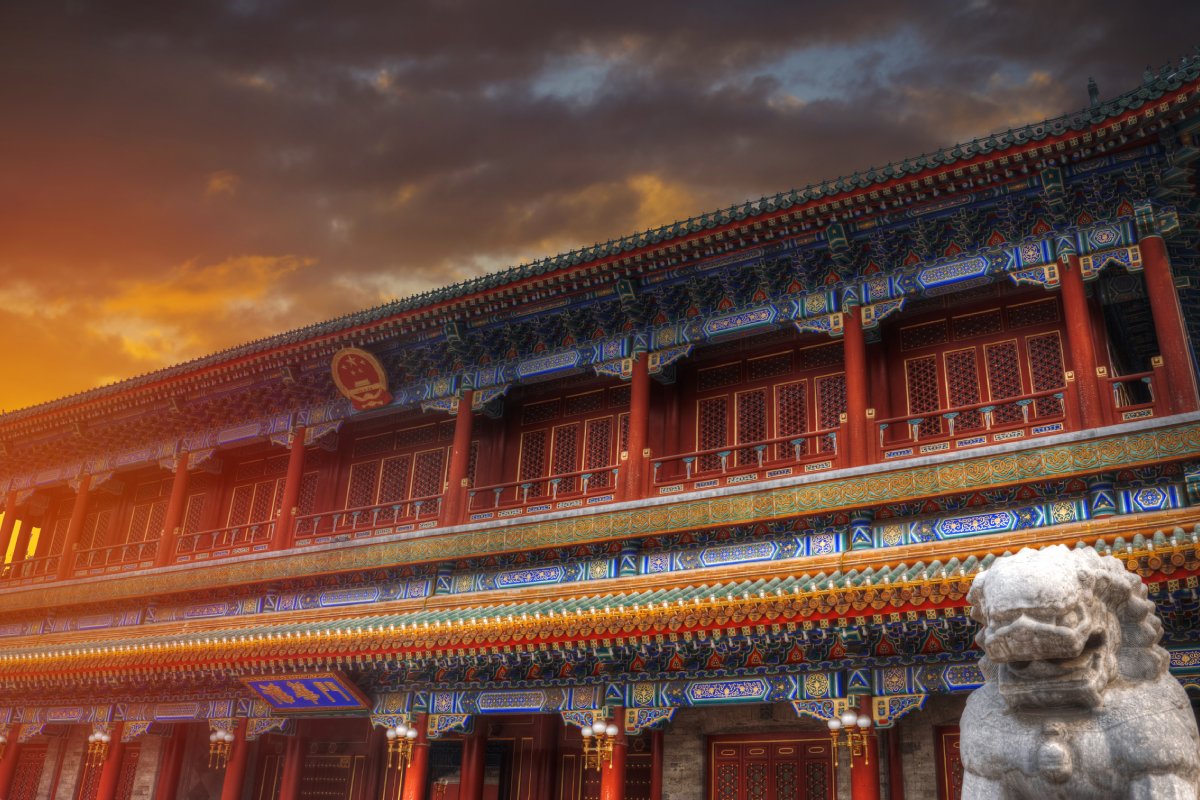
When planning a pilgrimage to the heart of Beijing, the sheer scale of the Forbidden City can be overwhelming. Spanning over 180 acres and containing nearly 1,000 buildings, it is a sprawling testament to imperial power. However, as you navigate the booking process, you will quickly encounter a decision that stumps many travelers: should you stick to the standard General Admission, or is it worth purchasing the additional passes for the Treasure Gallery (The Antiquarium) and the Clock Gallery (The Hall of Clocks and Watches)?
For many visitors in January 2026, the standard ticket seems sufficient. It grants access to the majestic central axis, the iconic three great halls, and the Imperial Garden. Yet, bypassing the exclusive inner museums means missing out on some of the most intimate and opulent chapters of the Qing Dynasty. These separate galleries are not merely rooms with glass cases; they are architectural marvels and repositories of priceless craftsmanship that offer a stark contrast to the vast, open courtyards of the main complex.
To help you decide if these upgrades belong on your itinerary, we must delve into what exactly lies behind these extra gates and whether they align with your travel style.
The Difference Between General Admission and Exclusive Access
Understanding the layout of the palace is crucial before making a purchase. The General Admission ticket is your key to the city. It allows you to enter through the Meridian Gate, walk the central axis, explore the architectural masterpieces of the Outer and Inner Courts, and exit through the Gate of Divine Prowess. For the casual observer, this provides a comprehensive overview of the palace's grandeur.
However, the Treasure Gallery and the Clock Gallery operate as distinct "museums within a museum." They are located away from the crowded central axis—the Treasure Gallery in the northeast corner and the Clock Gallery on the east side. Because they require separate entry checks (and distinct tickets), they are often far less crowded than the main thoroughfares. This relative tranquility allows for a deeper connection with the history, free from the shoulder-to-shoulder tour groups found in the Hall of Supreme Harmony.
If you are looking to secure your entry, be sure to check our guide on tickets to understand how to bundle these options or purchase them upon arrival, though advance booking is always recommended. Keep in mind that ticket prices vary depending on the season and any ongoing special exhibitions. As of [Current Month, Year], General Admission is [Price], the Treasure Gallery upgrade is [Price], and the Clock Gallery upgrade is [Price]. Always confirm the latest prices on the official Forbidden City website.
The Treasure Gallery: Inside the Palace of Tranquil Longevity
If you only choose one upgrade, most experts and seasoned travelers would point you toward the Treasure Gallery. Located within the Palace of Tranquil Longevity (Ningshougong), this area is essentially a miniature Forbidden City built by Emperor Qianlong for his retirement. It is architecturally distinct and incredibly lavish.
The Nine-Dragon Screen
Before you even enter the exhibit halls, the Treasure Gallery ticket grants you access to one of China's most iconic artistic triumphs: the Nine-Dragon Screen. This massive glazed-tile wall, vibrant with hues of blue, yellow, and white, dates back to 1772. It is one of only three such screens in all of China and arguably the most magnificent. For photographers using our photography guide, the morning light hitting these relief dragons offers one of the best shots in Beijing. (Consider adding an image of the Nine-Dragon Screen here)
Opulence Unleashed
The exhibits themselves house the personal wealth of the Qing emperors. While the General Admission shows you where they worked, the Treasure Gallery shows you what they owned. Highlights include:
- The Gold Stupas: Massive, intricate Buddhist structures made of solid gold, used to hold hair and ashes of deceased emperors. (Consider adding an image of a Gold Stupa here)
- Imperial Robes: Silk garments embroidered with gold thread and peacock feathers, showcasing the pinnacle of textile art.
- Jade Sculptures: Massive jade carvings, including the famous hill-sized jade depicting scenes of flood control, weighing several tons.
- The Queen of the Opera Costumes: The Palace of Tranquil Longevity houses a magnificent three-story opera stage (Belvedere of Pleasant Sounds), where you can see the elaborate costumes worn by performers who entertained the court.
Exploring this section adds significant walking time, so consult our itineraries to ensure you allocate enough time—usually at least an hour to ninety minutes—to do it justice.
The Clock Gallery: A Mechanical Wonderland
Located in the Hall for Ancestral Worship (Fengxian Dian), the Clock Gallery offers a fascinating glimpse into the global connections of the Qing Dynasty. This museum houses a collection of 18th and 19th-century timepieces collected by emperors like Qianlong and Kangxi.
These are not ordinary clocks. They are elaborate automata gifted by European envoys from Britain, France, and Switzerland, as well as pieces manufactured in the imperial workshops of Guangzhou and Suzhou. The fascination here lies in the blend of engineering and aesthetics.
Why visit the Clock Gallery?
- Intricate Automata: You will see clocks that feature writing robots, moving birds, flowing water made of glass, and spinning pagodas. (Consider adding an image of a clock with automata here)
- Cross-Cultural History: It serves as a tangible record of the trade and diplomatic relations between China and the West during the height of the Qing era. You can learn more about this era in our history section.
- Performance Demonstrations: Occasionally, the museum staff will wind up specific clocks to demonstrate their movement, a spectacle that captivates both children and adults.
Comparison: Which Ticket is Right for You?
To help you visualize the value, here is a breakdown of what each experience offers:
| Feature | General Admission | Treasure Gallery Upgrade | Clock Gallery Upgrade |
| Primary Focus | Grand Architecture & Scale | Jewelry, Jade, Gold & Retirement Palace | European & Chinese Mechanical Clocks |
| Crowd Level | Very High | Moderate to Low | Low |
| Time Required | 2-3 Hours | +1.5 Hours | +45 Minutes |
| Must-See Artifact | Hall of Supreme Harmony | Nine-Dragon Screen | Gilt-Bronze Writing Automaton |
The Verdict: Who Should Buy the Extras?
Deciding whether to upgrade depends largely on your interests and the duration of your stay.
1. The "Once in a Lifetime" Traveler
If this is your only planned trip to Beijing, buy both. The cost difference is negligible compared to the expense of traveling to China, and the Treasure Gallery, in particular, provides a necessary context to the Emperor's private life that the main halls lack. The Nine-Dragon Screen alone justifies the entry.
2. The History & Art Buff
The Treasure Gallery is mandatory. The craftsmanship of the artifacts is superior to almost anything else on public display in China. The Palace of Tranquil Longevity is also an architectural gem that offers better photo opportunities due to fewer crowds.
3. Families with Children
The Clock Gallery is a winner. While endless halls of empty thrones might bore younger travelers, the whimsical, moving parts of the ancient clocks are universally engaging.
4. The Rushed Visitor
If you have less than three hours, stick to General Admission. The Forbidden City is massive. Attempting to see the main axis plus the side galleries in a short window will result in "museum fatigue." If you are pressed for time, check our transport guide to ensure you arrive at the Meridian Gate efficiently to maximize your limited window.
Planning Your Route
If you decide to include these galleries, sequence matters. A common mistake is walking the entire central axis to the exit and then realizing you have to backtrack to reach the galleries.
The best approach is to enter via the Meridian Gate, explore the first few halls, and then veer East toward the Clock Gallery. After viewing the clocks, continue North-East to the Treasure Gallery. This route allows you to exit the Treasure Gallery near the northern end of the complex, conveniently close to the Imperial Garden and the exit gate. Before you go, verify the current schedules on our opening hours page, as the inner museums sometimes have different closing times than the main gates. As of [Current Month, Year], the Treasure Gallery is open from [Opening Time] to [Closing Time], and the Clock Gallery is open from [Opening Time] to [Closing Time]. Always check the official website for the most up-to-date information.
Finally, once you have soaked in the imperial history, don't forget that the area around the palace is teeming with life. Jingshan Park, located directly behind the exit, offers a panoramic view of the path you just walked. Explore our guide to nearby attractions to continue your Beijing adventure.
In conclusion, while the General Admission ticket opens the door to the Forbidden City, the Treasure and Clock Gallery tickets unlock its soul. For a few extra Yuan, you gain access to the beauty, the wealth, and the ingenuity that truly defined the Imperial Court.