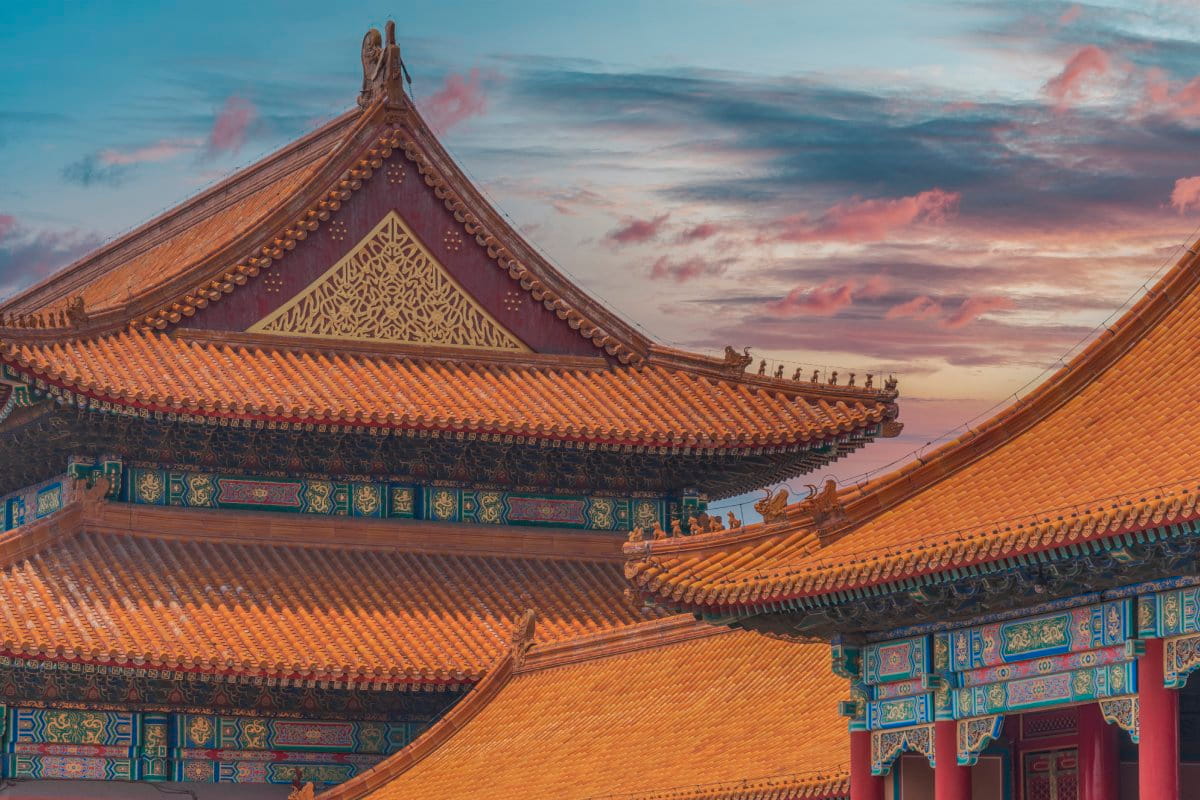
When you first step through the Meridian Gate and gaze upon the vast expanse of Beijing’s imperial heart, the first thing that strikes you is the color. A sweeping sea of golden-yellow glazed tiles glimmers under the sun, contrasting sharply with the deep red walls and the azure sky. To the untrained eye, these roofs are merely magnificent architectural feats designed to impress. However, for those who know where to look, they are a complex code—a celestial script written in ceramic and wood that dictated hierarchy, warded off evil spirits, and harmonized the emperor’s rule with the cosmos. Before you secure your standard entry tickets to explore this wonder, it is worth understanding the silent stories resting above your head.
The architecture of the Forbidden City is not accidental; every curve, color, and figure was strictly regulated by imperial laws. During the Ming and Qing dynasties, a roof was never just a cover; it was a declaration of status. The types of roofs used on specific buildings told courtiers and visitors exactly where they stood in the imperial pecking order without a word being spoken. By delving into these architectural choices, we uncover the cultural beliefs and spiritual significance that have held this complex together for over 600 years. Let’s look up and decode the secrets of the skyline.
The Imperial Palette: Why Yellow Rules the Sky
In modern design, color is often a matter of aesthetic preference, but in imperial China, color was a matter of law and cosmic philosophy. The overwhelming dominance of yellow tiles in the Forbidden City is rooted in the Theory of the Five Elements (Wu Xing). Yellow represents the Earth element, which sits at the center of the cosmos. Consequently, this color was reserved exclusively for the Emperor, the "Son of Heaven," who ruled from the center of the world. Using yellow tiles on a commoner's home or even a lesser official's residence was a crime punishable by death.
However, if you explore the complex thoroughly, you will notice that not every roof is yellow. The architects utilized color to define the function of specific buildings, creating a visual guide to the palace's inner workings. For instance, the library known as the Pavilion of Literary Profundity (Wenyuan Ge) features black glazed tiles. In the Five Elements, black represents water. Since the greatest threat to a library is fire, the black roof was a symbolic charm invoking water to suppress potential flames. Similarly, the residences of the Crown Prince often featured green tiles, symbolizing wood and spring—metaphors for growth and the flourishing of the next generation. Another example is the use of purple, though rare, sometimes seen in religious structures, representing divinity and immortality, linking the earthly realm to the celestial.
Here is a quick guide to decoding the color symbolism you might encounter:
| Roof Color | Element / Meaning | Typical Location |
| Yellow | Earth / Center / Imperial Power | Main palaces, Emperor’s residence, major gates. |
| Green | Wood / Growth / Spring | Residences of the Crown Prince, gardens. |
| Black | Water / Fire Suppression | Imperial libraries (Wenyuan Ge). |
| Blue | Heaven / Sky | Temple of Heaven (nearby), rare inside the palace. |
| Purple | Divinity / Immortality | Religious structures (rare). |
Hierarchy in Geometry: The Shape of Power
Beyond color, the physical shape of the roof indicated the political importance of the building beneath it. Traditional Chinese architecture relies on a strict hierarchy of roof styles. As you wander through the courtyards, perhaps following one of our curated routes to ensure you see the most important sights, pay attention to the silhouette of the structures. The most prestigious form is the "Double-Eave Hip Roof." This design features four sloping sides and a double tier of eaves, creating a grand, sweeping appearance. This style is reserved exclusively for the most sacred buildings, most notably the Hall of Supreme Harmony, where the Emperor held grand ceremonies.
Descending the ladder of importance, you will find the "Single-Eave Hip Roof," followed by the "Hip-and-Gable Roof" (which combines a sloped roof with vertical sides). The hierarchy continues down to the simple "Hard Mountain" roofs used for servants' quarters and storage. This architectural stratification ensured that anyone walking through the palace could immediately recognize the significance of a building simply by its outline. To truly appreciate these structural nuances, you might want to read more about the complex's traditional Chinese architectural brilliance before your visit.
The Silent Guardians: Mythical Beasts on the Ridge
Perhaps the most fascinating aspect of the Forbidden City’s roofs is the procession of small, mystical statues perched on the corner ridges. These are known as "ridge beasts" or "roof charms" (dunshou). While they serve a practical purpose—covering the nails that hold the tiles in place to prevent rust and leaks—their primary role is spiritual protection. They stand guard against disasters, particularly fire and lightning, and serve as a visual indicator of the building's rank.
The procession is always led by a figure of a man riding a phoenix, often identified as Prince Min of Qi, a tyrant who was hanged from a rafter. Placing him at the edge of the roof is a warning to rulers: if you go too far, you have nowhere to go but down. Following him is a line of mythical creatures. The more beasts on the roof, the higher the rank of the building. Most buildings have three, five, or seven beasts (always an odd number). The Hall of Supreme Harmony is unique in all of China because it features ten beasts—the only building permitted to carry this number, symbolizing the supreme authority of the Emperor.
The Lineup of Legends
If you have a zoom lens or binoculars—highly recommended in our photography guide—you can spot these individual creatures. Here is who is watching over you:
- Dragon: Represents imperial authority and water.
- Phoenix: Symbolizes virtue and the Empress.
- Lion: A symbol of bravery and power.
- Heavenly Horse: Represents speed and reaching the heavens.
- Sea Horse: Symbolizes luck and safety in the depths.
- Suanni (mythical lion): Said to eat tigers and leopards; represents strength.
- Yayu (fish-like beast): Protects against fire.
- Haixia (lion-like beast): Controls lightning and rain.
- Douniu (bull-like dragon): Suppresses floods and disasters.
- Hangshi: An immortal guardian found only on the Hall of Supreme Harmony.
The Dougong: Engineering Meets Aesthetics
Supporting these massive, heavy tile roofs is a marvel of engineering hidden in plain sight: the dougong brackets. If you look under the eaves, you will see intricate, interlocking wooden brackets that connect the roof to the pillars. Remarkable for their lack of nails or glue, these brackets distribute the immense weight of the roof onto the columns. This flexible joint system is also earthquake-resistant, allowing the buildings to "dance" rather than break during tremors. While technically part of the structural support, the complexity and number of dougong layers also contributed to the building's status. It is a perfect marriage of form and function, a topic often highlighted in our deep dive into the remarkable story of China's most iconic imperial residence.
Capturing the Cosmic Design
Understanding the symbolism of the roofs transforms a visit to the Forbidden City from a sightseeing tour into a cultural pilgrimage. When you stand in the vast courtyards, you aren't just looking at old buildings; you are reading a philosophy of order, balance, and divine right. The best way to appreciate the sheer scale of these yellow roofs is to view them from above. After exploring the palace grounds, many visitors head to Jingshan Park, located directly across the street from the northern exit. From the pavilion at the top of the hill, you get a panoramic view of the golden waves of tiles—one of the nearby attractions that completes the experience.
To see these roofs in their best light, timing is everything. Early morning or late afternoon provides the softest light, making the glazed tiles glow with an ethereal warmth. For stunning visuals, consider capturing the reflections of the roofs in the surrounding moats on a calm day. Be sure to check our guide on the best time to visit to plan your trip around the weather and crowds. Whether you are arriving via subway or taxi, knowing how to get there efficiently will give you more time to stand in awe of these architectural masterpieces. Finally, always verify the opening hours before you go, as the palace closes early in winter, and you won't want to miss the sun setting over the golden spine of Beijing.