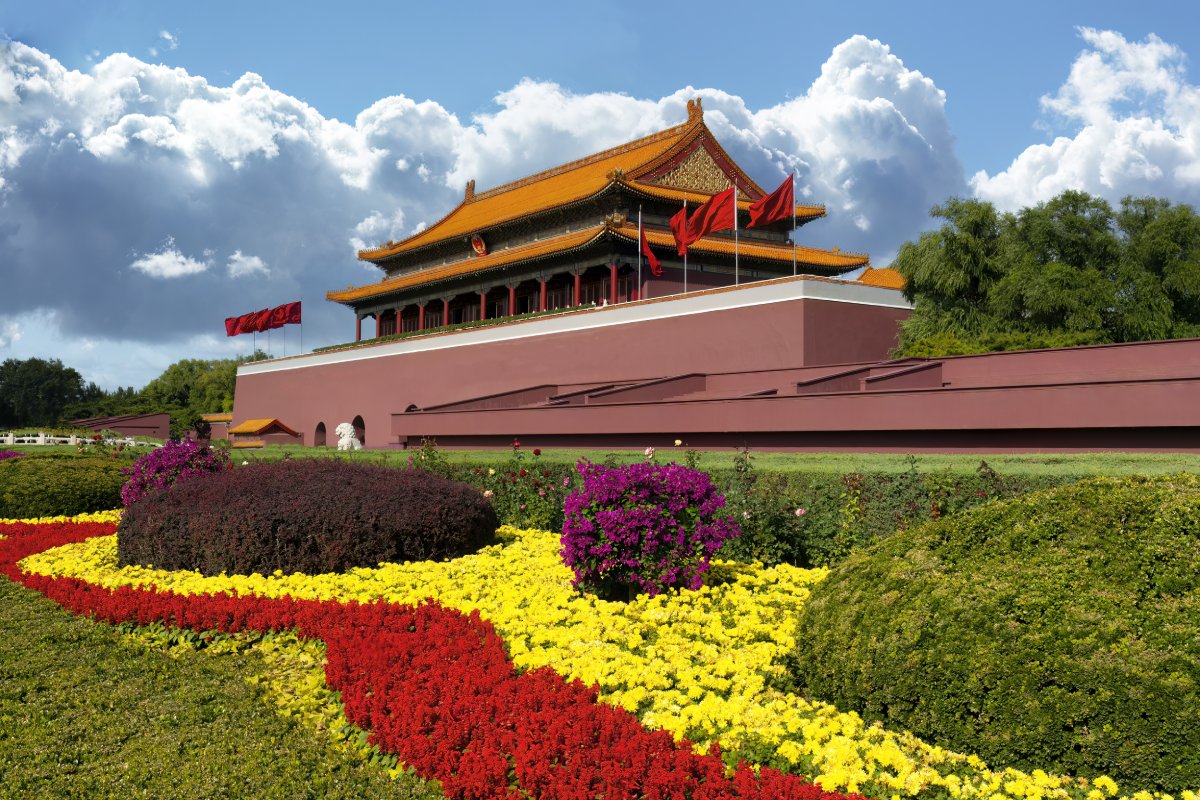
The Forbidden City is far more than a static monument to China’s imperial past; it is a living entity that transforms dramatically with the turning of the calendar. For over 600 years, the vermilion walls and golden glazed roof tiles have stood as a constant backdrop to the ever-changing moods of Beijing’s climate. Whether you are a history buff, a photographer chasing the perfect light, or a traveler seeking deep cultural immersion, understanding the seasonal nuances of this vast complex is key to unlocking its full magic. Each season offers a distinct personality, painting the palace in unique hues and offering different advantages for visitors.
While the architectural grandeur remains constant, the atmosphere within the courtyards shifts perceptibly from the vibrant energy of spring to the contemplative silence of winter. Planning your trip involves more than just picking a date; it requires an understanding of how the weather influences the experience, from crowd levels to the visual aesthetics of the gardens. By aligning your visit with the season that suits your preferences, you can witness the remarkable story of China's most iconic imperial residence in its most flattering light.
Spring: A Renaissance of Color and Life
As the harsh Beijing winter recedes, the Forbidden City undergoes a spectacular awakening. From mid-March through May, the stark geometric lines of the palace are softened by an explosion of floral colors. The most iconic herald of spring here is the magnolia. The ancient magnolia trees, particularly those found in the gardens near the Palace of Earthly Tranquility, burst into white and pink blooms, creating a stunning contrast against the deep red walls. This juxtaposition is a favorite subject for photographers and painters alike, symbolizing the renewal of life within the ancient courts.
Temperature-wise, spring is pleasantly mild, though it can be unpredictable with occasional sandstorms in early spring. Average temperatures range from 10°C to 25°C (50°F - 77°F), making it comfortable for walking the extensive grounds. Because the weather is so inviting, this is also when tourist numbers begin to swell. To ensure you can navigate the complex without feeling rushed, we recommend looking into curated routes to ensure you see the most important sights efficiently, bypassing the densest crowds in the central axis.
Suggested Spring Visit Duration: Allow at least 4-6 hours to fully appreciate the spring blooms and explore the key areas. Consider visiting early in the morning or later in the afternoon to avoid peak crowds.
Key highlights during spring include:
- Apricot Blossoms: Look for these delicate flowers in the Imperial Garden and the Six Western Palaces.
- Peonies: Known as the 'King of Flowers' in China, these bloom later in April and May, filling the gardens with regal elegance.
- Comfortable Exploration: The mild weather allows for hours of walking without the fatigue of extreme heat or cold.
Summer: Imperial Majesty and Dramatic Skies
Summer in Beijing, spanning June to August, is intense, vibrant, and undeniably dramatic. This is the season when the Forbidden City feels most alive, teeming with visitors and bathed in brilliant, albeit hot, sunshine. The vegetation within the complex reaches its peak lushness, turning the Imperial Garden into a verdant oasis. However, visitors must be prepared for high humidity and temperatures often exceeding 30°C (86°F). It is crucial to dress lightly, carry plenty of water, and take advantage of the shaded corridors that link the various halls.
One of the most fascinating spectacles occurs during the heavy summer downpours. The Forbidden City features an ancient, sophisticated drainage system involving over a thousand stone dragon heads located at the base of the terrace tiers. During torrential rains, water spouts from these dragon mouths, a phenomenon known as "Thousand Dragons Spouting Water." This engineering marvel not only prevents flooding but also serves as a testament to the traditional Chinese architectural brilliance that underpins the entire complex. Seeing this ancient infrastructure in action is a rare and memorable privilege for summer visitors.
If you choose to visit during this peak season, preparation is non-negotiable. Tickets sell out rapidly, often weeks in advance. It is highly advisable to secure your standard entry tickets or expert-led private tours as early as possible to avoid disappointment. Additionally, arriving early in the morning helps you beat the worst of the midday heat.
Suggested Summer Visit Duration: Plan for a shorter visit, around 3-5 hours, focusing on indoor halls and shaded areas. Take frequent breaks to rehydrate and avoid prolonged exposure to the sun. Consider visiting during the early morning or late afternoon to avoid the midday heat.
Summer Activities:
- Dragon Spouting Water Viewing: Check weather forecasts and plan your visit around predicted heavy rainfall to witness this spectacle.
- Indoor Exploration: Focus on exploring the numerous halls and museums within the complex to escape the heat.
- Imperial Garden Relaxation: Take advantage of the shade offered by the lush vegetation in the Imperial Garden.
Autumn: The Golden Season of Splendor
Ask any local or seasoned traveler about the ideal time to visit Beijing, and the answer is almost unanimously autumn. From September to early November, the city enjoys its finest weather: crisp air, cool breezes, and the famous "Beijing Blue" skies. In the Forbidden City, autumn brings a sense of regal calm. The ginkgo trees turn a brilliant golden yellow, their leaves carpeting the courtyards and complementing the yellow glazed tiles of the rooftops. The light during this season is exceptionally clear, casting long, dramatic shadows that accentuate the intricate details of the eaves and ridges.
This is arguably the perfect time to visit with our seasonal guide suggesting mid-October as the pinnacle of autumn beauty. The humidity of summer vanishes, replaced by dry, comfortable days with temperatures hovering between 15°C and 25°C (59°F - 77°F). It is the perfect season for leisurely exploration, allowing you to venture into the deeper, less-visited recesses of the palace complex without physical discomfort.
For photography enthusiasts, autumn offers the best conditions. The sun sits lower in the sky, providing a soft, golden glow throughout the day, not just during the "golden hour." To make the most of these perfect conditions, consult our photography guide to find hidden angles and composition tips that capture the autumnal grandeur.
Suggested Autumn Visit Duration: Allocate a full day (6-8 hours) to fully immerse yourself in the autumnal beauty and explore the entire complex at a relaxed pace.
Autumn Activities:
- Ginkgo Leaf Viewing: Wander through the courtyards and gardens to admire the golden ginkgo trees. The best spots are around the Hall of Preserving Harmony and the Imperial Garden.
- Photography Walks: Take advantage of the soft, golden light to capture stunning photos of the palace architecture and scenery.
- Exploring Less-Visited Areas: Venture into the Six Western Palaces or the eastern sections of the complex to discover hidden gems away from the main crowds.
Winter: Solitude, Silence, and Snow
Winter, from late November to February, transforms the Forbidden City into a solemn, silent world. While the temperatures can drop significantly below freezing, often reaching -10°C (14°F), the reward for braving the cold is an atmosphere of unparalleled serenity. Tourist numbers drop to their lowest, giving you the rare opportunity to stand in the vast emptiness of the Hall of Supreme Harmony's courtyard with almost no one else around. This solitude allows for a deeper connection with the history of the site, letting you imagine the echoes of imperial ceremonies past.
The crown jewel of a winter visit is the possibility of snow. When snow falls on Beijing, the Forbidden City becomes an ethereal wonderland. The pristine white snow covering the red walls and golden roofs creates a visual palette that feels lifted straight from a traditional ink painting. These days are rare and treasured; when snow is forecast, photographers and locals flock to the gates. Even without snow, the stark, cold light of winter creates a majestic, somber aesthetic that highlights the sheer scale of the architecture.
Because daylight hours are shorter in winter, it is essential to check the seasonal schedules and closure days before you go. The museum closes earlier in the winter months, so an early start is recommended to maximize your daylight exploration time.
Suggested Winter Visit Duration: Plan for a 3-5 hour visit, focusing on indoor exhibits and key outdoor areas. Dress warmly in layers and take frequent breaks to warm up in heated areas.
Winter Activities:
- Snow Photography: If you're lucky enough to visit during a snowfall, capture the magical scenery of the palace covered in snow.
- Indoor Museum Exploration: Spend time exploring the various museums and exhibition halls within the complex to escape the cold.
- Hall of Clocks: Visit the Hall of Clocks to see the fascinating collection of antique timepieces.
Seasonal Weather and Planning Guide
To help you decide when to book your trip, we have compiled a comparative overview of what to expect regarding weather and visitor experience throughout the year.
| Season | Avg. Temp | Crowd Level | Key Feature |
| Spring (Mar-May) | 10°C - 25°C | Moderate to High | Magnolia and Apricot blossoms, mild weather. |
| Summer (Jun-Aug) | 25°C - 35°C | Very High | Lush gardens, dragon drainage system, vibrant energy. |
| Autumn (Sep-Nov) | 15°C - 25°C | Moderate | Ginkgo trees, clear blue skies, perfect walking weather. |
| Winter (Dec-Feb) | -5°C - 5°C | Low | Snow scenery, solitude, stark architectural beauty. |
Logistics and Nearby Explorations
Regardless of the season you choose, reaching the palace requires some planning due to its central location and traffic regulations. The complex is located in the heart of the city, and the most efficient transport methods can change depending on the weather (for instance, the subway is preferable during summer rains or winter freezes). We recommend reviewing our guide on how to reach the imperial palace to choose the best option for your specific travel dates.
Furthermore, the beauty of the seasons often extends beyond the palace walls. For example, in Spring and Autumn, the view from the top of Jingshan Park, located directly north of the Forbidden City, offers a panoramic view of the entire complex bathed in seasonal colors. In winter, the frozen moat provides a unique perspective. Combining your palace tour with nearby attractions like Beihai Park or the National Museum creates a comprehensive cultural itinerary.
Every season at the Forbidden City tells a different chapter of the same majestic story. Whether you are drawn by the flowers of spring, the energy of summer, the gold of autumn, or the silence of winter, the Imperial Palace awaits to reveal its timeless beauty.