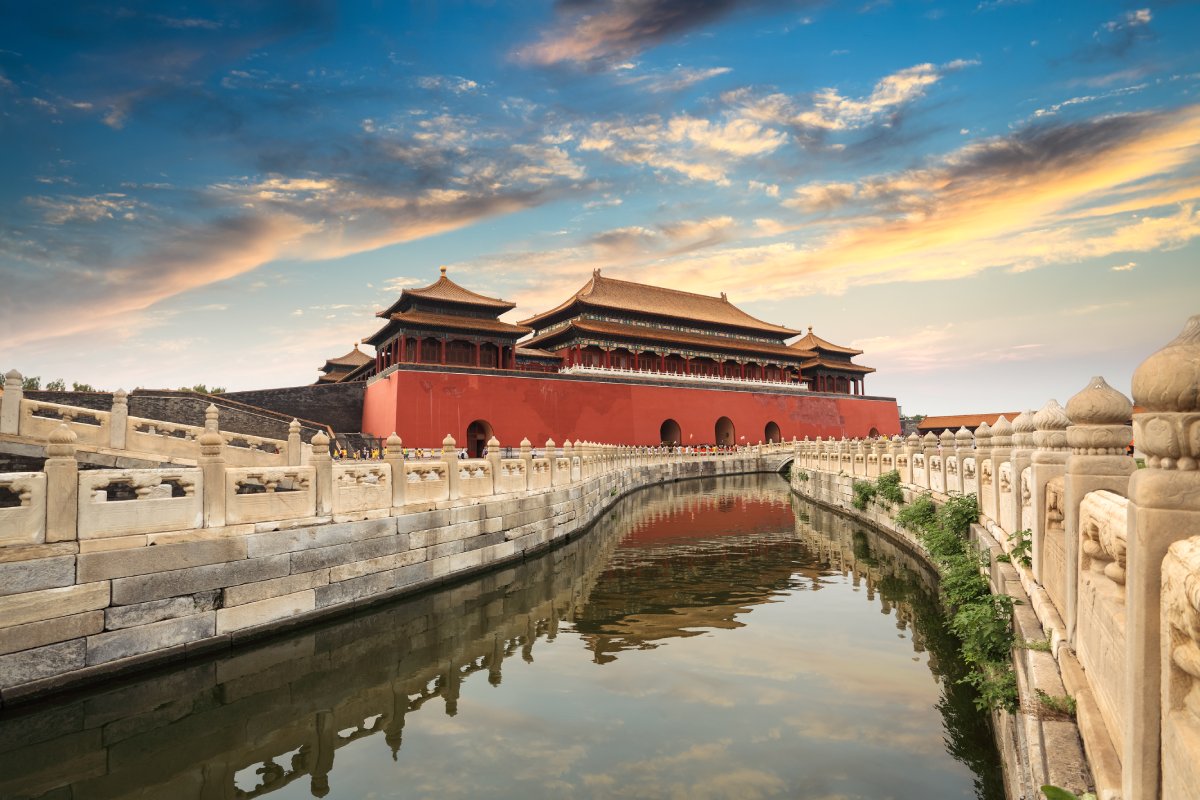
Stepping into the Forbidden City is like walking into a living painting, where every corner reveals a new interplay of crimson walls, golden glazed roof tiles, and intricate geometric patterns. For a photographer, whether amateur or professional, the sheer scale of the world's largest palace complex can be both exhilarating and overwhelming. The challenge lies not just in documenting the site, but in capturing the soul of a place that served as the cosmic center of the Chinese empire for centuries. To truly do justice to this UNESCO World Heritage site, one must move beyond simple snapshots and understand the unique rhythm of light, shadow, and architectural brilliance that defines this imperial masterpiece.
The vastness of the complex, covering 180 acres, offers endless opportunities for creativity, but it requires a strategic approach to navigate effectively. Understanding the layout and the historical significance of the structures will vastly improve your composition. Before you even pack your camera bag, it is wise to familiarize yourself with the layout through curated Itineraries to ensure you prioritize the most photogenic halls and courtyards. With the right preparation and a keen eye for detail, you can transform a standard visit into a portfolio-worthy photography expedition.
Chasing the Light: Timing Your Visit
Lighting is the single most critical element in photography, and nowhere is this more true than within the high walls of the Forbidden City. The harsh midday sun can wash out the vibrant colors of the lacquered wood and cast unflattering, deep shadows under the heavy eaves. To capture the palace in its most majestic state, aim for the "Golden Hour"—shortly after sunrise or just before sunset. The low angle of the sun during these times bathes the gold roofs in a warm, ethereal glow and creates long, dramatic shadows that accentuate the depth of the vast courtyards. Since the complex closes before sunset in many seasons, early morning is often your best bet for soft, manageable light.
Seasonality also plays a massive role in the mood of your photographs. While spring offers delicate blossoms against red walls, winter—especially in January 2026—presents a stark, breathtaking beauty. If you are lucky enough to visit during a snowfall, the contrast of pure white snow resting on the bright yellow roof tiles and red walls creates a minimalist and silent atmosphere that is the holy grail for many photographers. To plan your shoot around the weather and seasonal crowds, be sure to consult our guide on the Best Time to Visit.
Consider visiting in the autumn months as well. The crisp air and golden leaves provide a stunning contrast against the red walls, creating a warm and inviting atmosphere. The light is often softer than in summer, making it easier to capture balanced exposures. In the summer months, try to shoot on overcast days, when the diffused light will help to avoid harsh shadows and bring out the rich colors of the palace.
Composition and Architectural Symmetry
Traditional Chinese architecture is deeply rooted in the concept of balance and cosmic order, a feature that you should leverage in your compositions. The Forbidden City is built along a strict north-south central axis, representing supreme power. You can emphasize this grandeur by shooting straight down the center lines of the major gates and halls, such as the Hall of Supreme Harmony. This technique highlights the immense scale and perfect symmetry that defines the Architecture of the imperial palace. Use the leading lines of the marble balustrades or the long corridors to draw the viewer’s eye directly toward the main subject of your frame.
However, do not restrict yourself solely to wide-angle shots of massive buildings. The beauty of the palace also lies in its intricate details. Switch to a telephoto lens or zoom in to capture the smaller elements that tell the story of the History behind the structure. Look for:
- Roof Guardians: The rows of mythical beasts perched on the corner ridges of the roofs, standing guard against evil spirits.
- Door Details: The massive golden doornails on the vermilion gates, which historically signified the rank of the resident.
- Ornate Ceilings: The mesmerizing caisson ceilings (zaojing) inside the halls, often featuring dragon motifs.
- Stone Carvings: The elaborate marble ramps (danbi) featuring carved dragons and clouds that divide the staircases.
Vantage Points and Hidden Angles
While the central axis is impressive, some of the most compelling shots are found by wandering off the beaten path into the side palaces and gardens. The eastern and western wings often contain narrower alleys where the play of light and shadow creates moody, atmospheric images. These areas are typically less crowded, allowing you to capture the solitude of the palace without the distraction of tour groups. For a truly unique perspective, look for reflections. After rain, puddles on the uneven stone floors can create mirror-like surfaces, offering a perfect symmetrical reflection of the grand halls.
To help you visualize the variety of shots available, here is a breakdown of essential locations and the type of photography they are best suited for:
| Location | Photography Focus | Best Lens Choice |
| Meridian Gate (Wumen) | Grandeur, Entrance shots, Massive scale | Wide Angle (16-24mm) |
| Corner Turrets | Reflections in the moat, intricate roof structure | Standard to Telephoto (24-70mm) |
| Imperial Garden | Nature meets architecture, rockeries, ancient cypress | Macro or Standard (35-50mm) |
| Jingshan Park (Hill) | Full panoramic view of the entire complex | Wide or Telephoto (for compression) |
Speaking of the Corner Turrets, these are arguably the most photogenic structures of the entire complex from the outside. You do not need a ticket to photograph them; they are best viewed from outside the palace walls along the moat. This is a classic shot that captures the elegance of the architecture reflecting in the water. For the ultimate panoramic shot that captures the "sea of golden roofs," you must exit the Forbidden City and head to the Nearby Attractions, specifically Jingshan Park located directly to the north. A short hike to the top of the hill provides an unrivaled bird's-eye view of the entire Forbidden City layout.
Practical Tips for the Photographer
Navigating the Forbidden City with camera gear requires some logistical planning. First and foremost, be aware that tripods are generally restricted inside the main complex to prevent obstruction of pathways and damage to the ancient floors. You will need to rely on steady hands, a high ISO, or image stabilization. Monopods are occasionally tolerated but check the latest regulations before you go. Additionally, the sheer size of the complex means a lot of walking. Travel as light as possible; a versatile zoom lens (like a 24-70mm or 24-105mm) is often better than carrying a heavy bag of prime lenses.
Crowd management is another skill you will need to master. The palace attracts millions of visitors, making clean shots difficult. Patience is key. If you wait for a few minutes, gaps often appear in the flow of tourists. Alternatively, use the crowds to your advantage by using a slow shutter speed (if you can stabilize your camera) to blur the moving people, emphasizing the timeless, static nature of the buildings. Before you head out, ensure you have secured your entry by checking Tickets availability in advance, as they often sell out, and you don't want to miss your shooting window.
Pro Tip: Bring a small, foldable stool or mat. This will allow you to comfortably compose low-angle shots without having to sit directly on the ground, which can be dusty or crowded. Also, consider bringing a portable charger for your camera and phone, as you'll likely be taking photos for hours.
Respecting the Heritage
Finally, while capturing the majesty of the Forbidden City is the goal, it is vital to remember that you are a guest in a site of immense cultural and historical importance. Some interior halls prohibit photography entirely to preserve the ancient pigments and artifacts from flash damage. Always look for signage and respect the rules. When photographing locals or other visitors, a smile and a polite gesture go a long way. By approaching the site with respect and curiosity, your photographs will not only look beautiful but will also carry the dignity that the Forbidden City deserves.
Whether you are arriving via the subway or a private transfer, knowing How to Get There efficiently will save you time and energy for your photography. Plan your route, check the Opening Hours, and prepare to be inspired. The Forbidden City is a visual feast that changes with every hour and every season, waiting for you to capture its timeless story through your lens. For even more specific technical advice, don't forget to review our dedicated Photography Guide before your trip.