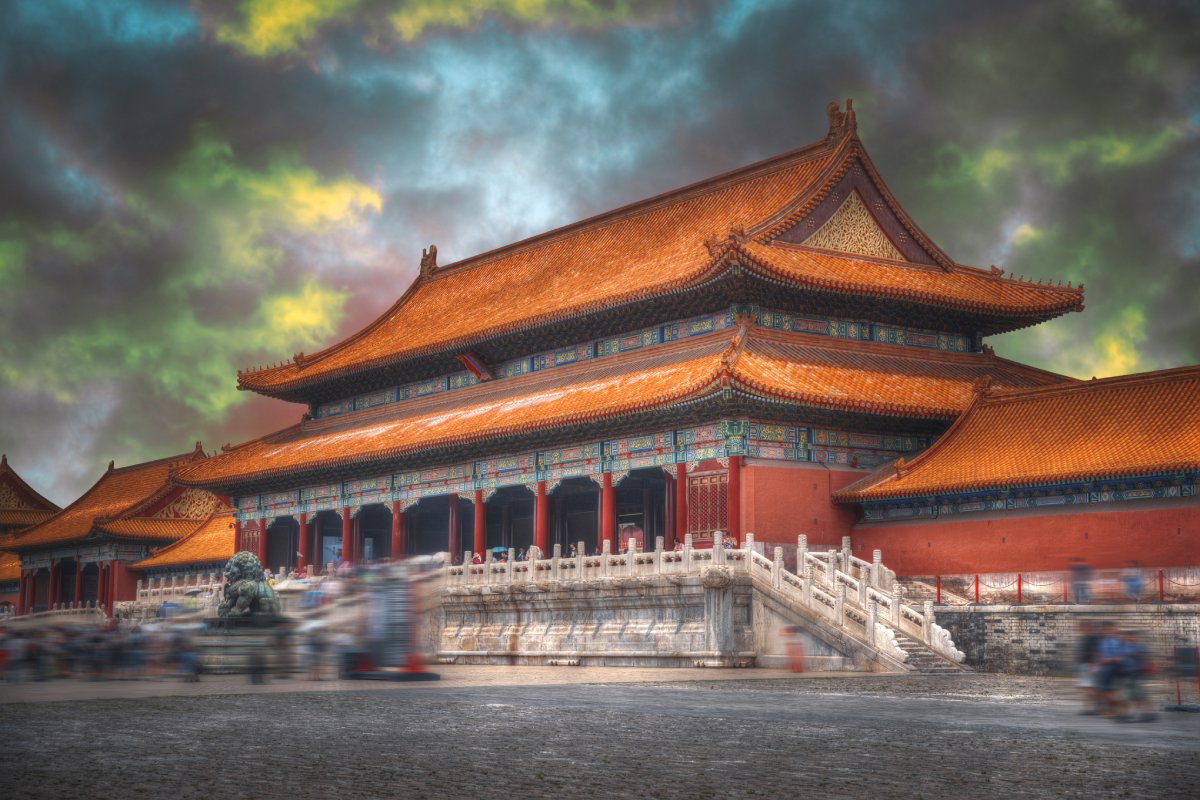
Walking through the Meridian Gate is more than just entering a museum; it is stepping into a vast canvas of crimson walls, golden glazed tiles, and centuries of imperial history. For photographers, the Forbidden City is arguably one of the most compelling subjects in Asia, offering an endless array of geometric patterns, grand scales, and intricate details. Whether you are a professional carrying a full kit of lenses or an enthusiast with a smartphone, capturing the essence of this UNESCO World Heritage site requires patience, planning, and a keen eye for composition. The sheer magnitude of the complex can be overwhelming, but with the right approach, you can create a visual narrative that transcends the typical tourist snapshot and truly reflects the grandeur of the Ming and Qing dynasties.
The interplay of light and shadow within the palace walls changes dramatically throughout the day, transforming the mood of the architecture from imposing to ethereal. As you prepare for your visit in January 2026, you have the distinct advantage of the winter sun, which sits lower in the sky, casting long, dramatic shadows that accentuate the depth of the courtyards. To truly do justice to this location, it is essential to understand not just the technical settings of your camera, but the rhythm of the palace itself. By combining historical appreciation with technical skill, you can freeze moments that feel timeless, turning your visit into a permanent gallery of memories.
Mastering the Light: Timing is Everything
Lighting is the single most critical factor in photography, and nowhere is this more true than within the high walls of the Imperial Palace. The midday sun can often wash out the vibrant colors of the lacquered wood and glazed tiles, leaving images looking flat. To capture the site at its most magical, you need to plan your arrival strategically. Consult our guide on the best time to visit to align your trip with optimal weather conditions, but generally, the "Golden Hour"—shortly after sunrise or just before sunset—provides the softest, most flattering light. In the morning, the light filters through the morning mist, creating a mystical atmosphere around the vast squares, while the late afternoon sun ignites the red walls with a fiery glow.
Since the Forbidden City closes before sunset in many seasons, the late afternoon light is precious. You should aim to be near the western side of the complex or outside at the moat as the sun dips lower. Winter visits offer a unique advantage: the air in Beijing is often crisp and clear, providing high-contrast blue skies that serve as the perfect backdrop for the warm tones of the palace architecture. If you are fortunate enough to visit during a snowfall, the white blanket against the red and gold creates a stark, poetic contrast that is the holy grail for many landscape photographers.
Composition and Angles: Beyond the Postcard Shot
While the grand, wide-angle shots of the Hall of Supreme Harmony are necessary to establish scale, the true soul of the Forbidden City often lies in the details and unique perspectives. The complex was built on a strict north-south axis, representing supreme imperial power. You can emphasize this by shooting straight down the center lines of the courtyards, using the symmetry to lead the viewer's eye. However, don't be afraid to break away from the center. Look for framing opportunities; use the ornate doorways or circular windows to frame a distant pavilion, adding layers and depth to your image. For a deeper understanding of the structures you are shooting, explore our architecture page, which explains the cosmic meaning behind the layout, helping you compose shots with narrative significance.
Consider these compositional techniques to elevate your portfolio:
- Look Up: The eaves of the buildings are decorated with rows of mythical beasts. Zooming in on these silhouettes against a bright sky creates a minimalist and artistic shot.
- Reflections: After a rain shower, or by utilizing the moat outside the walls, reflections can double the visual impact of the structure and add a painterly quality to your photos.
- Leading Lines: Use the marble balustrades and the lines of the stone pavement to guide the viewer’s gaze toward the main subject.
- The Human Element: The palace is massive. Including a person in your frame (even a distant tourist) can help convey the sheer scale of the buildings.
The Gear Guide: What to Pack
Selecting the right equipment is a balance between versatility and mobility. Since you will be walking significant distances—the complex covers 180 acres—you do not want to be weighed down by excessive gear. A high-quality wide-angle lens (16-35mm equivalent) is indispensable for capturing the sweeping grandeur of the courtyards and the massive ceremonial halls. It allows you to fit the imposing architecture into the frame, even when you cannot step back further. However, a wide angle alone is not enough. A telephoto lens (70-200mm) is equally important for compressing the perspective and isolating architectural details like the intricate dougong brackets or the weathered textures of the bronze lions.
For optimal results, consider shooting in aperture priority mode (Av or A) to control depth of field, especially when focusing on details. A mid-range aperture like f/5.6 or f/8 often provides a good balance between sharpness and background blur. Don't be afraid to bump up your ISO in dimly lit interiors, but keep an eye on noise levels. Modern cameras often handle higher ISO settings remarkably well.
Tripods are generally not permitted inside the main areas of the Forbidden City during opening hours to prevent obstruction of pathways. Therefore, a camera with good image stabilization or a fast lens is beneficial, especially if you are shooting interiors which can be dimly lit. If you are serious about getting the perfect shot without the fatigue of carrying heavy bags, review our itineraries to plan a route that hits the photogenic highlights efficiently, saving your energy for creativity rather than navigation.
Iconic Locations You Cannot Miss
While every corner of the palace offers potential, certain locations are legendary among photographers for good reason. Knowing where to go can save you time and ensure you capture the classic shots before exploring hidden corners. The Meridian Gate, the main entrance, sets the stage with its towering wings. As you move inward, the Golden Water River, with its five marble bridges, offers a fantastic foreground element that leads the eye toward the Gate of Supreme Harmony.
| Location | Best Time to Shoot | Photography Focus |
| The Moat & Corner Towers | Sunrise or Sunset | Reflections, symmetry, and the iconic roof structure against the sky. |
| Hall of Supreme Harmony | Early Morning | Grandeur, scale, and emptiness before the crowds arrive. |
| Jingshan Park | Late Afternoon | Panoramic views of the entire Forbidden City rooftops. |
| The Imperial Garden | Mid-day (Overcast) | Ancient cypresses, rockeries, and intimate architectural details. |
One of the most breathtaking vantage points is actually outside the palace walls. Jingshan Park, located directly to the north, offers a hilltop pavilion that provides a sweeping 360-degree view of Beijing. From here, you can photograph the entire layout of the Forbidden City, seeing the rhythmic waves of golden roofs stretching into the distance. This is one of the premier nearby attractions for photographers and is best visited just before sunset to catch the golden glow washing over the imperial tiles.
Practical Tips for a Smooth Session
Photography in such a popular destination comes with logistical challenges, primarily the crowds. To maximize your chances of getting clean shots, arrive as soon as the gates open. You can find up-to-date schedule information on our opening hours page. Avoid visiting on weekends and national holidays if possible, as these are the busiest times. Moving against the flow of the main tour groups—perhaps by exploring the side galleries (The Treasure Gallery or The Clock Gallery) first—can also yield quieter scenes. Be patient; sometimes waiting just five minutes for a tour group to pass can clear a courtyard for a few seconds of solitude.
Furthermore, ensure you have your entry sorted well in advance. The Forbidden City has a strict daily visitor cap, and spots fill up quickly. Visit our tickets page to secure your entry, which will allow you to focus entirely on your photography rather than worrying about access. Remember to dress comfortably and in layers; Beijing's weather can be unpredictable, and you will be exposed to the elements for several hours. Finally, while capturing the beauty is important, take moments to put the camera down and absorb the atmosphere. Reading up on the history of the emperors who lived here will imbue your images with a deeper sense of storytelling, transforming them from simple pictures into a documented journey through time.
For those looking for even more specific advice on settings and hidden angles, our dedicated photography guide offers an in-depth deep dive. The Forbidden City is a place that rewards the observant. Look for the peeling paint that tells a story of age, the contrast of a modern airplane flying over ancient roofs, or the play of light on a heavy bronze cauldron. Your visual journey here is unique; capture it with intention.