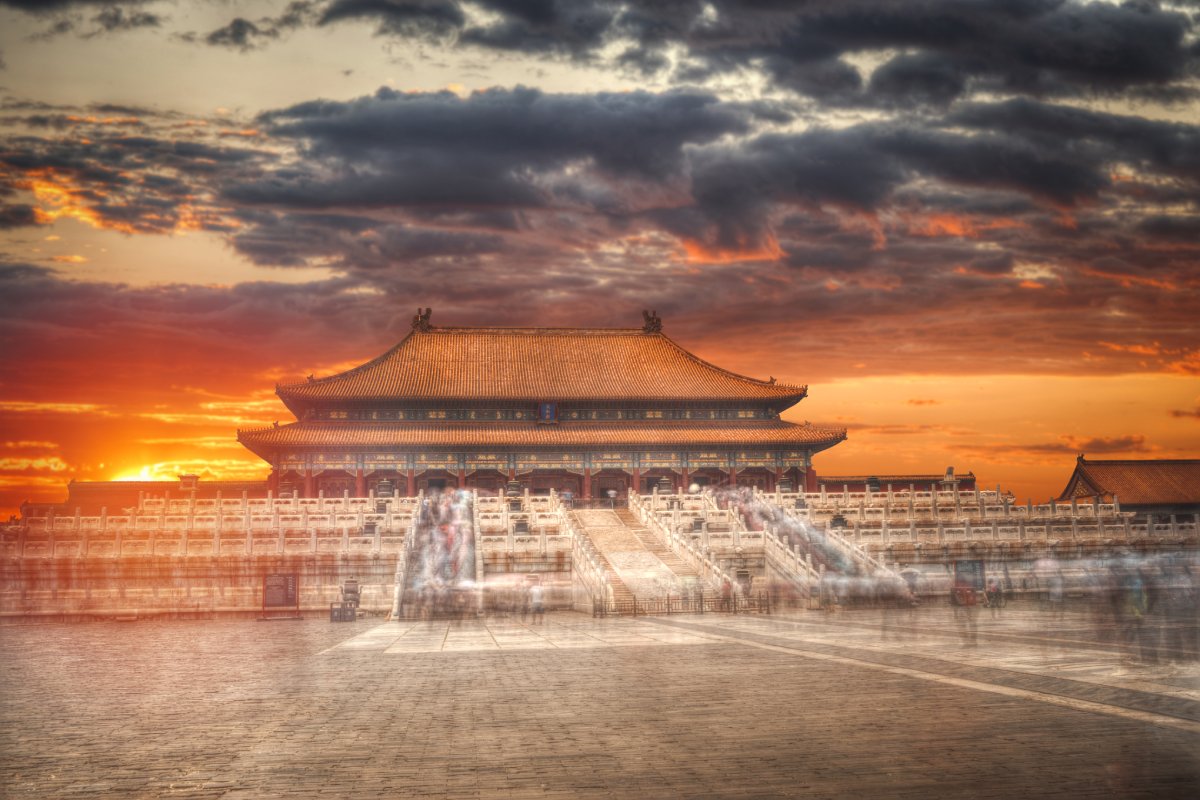
Stepping into the Forbidden City is akin to walking onto a movie set where history was written for over 500 years. With 980 buildings and nearly 9,000 rooms sprawled across 72 hectares, the sheer scale of the world’s largest palace complex can be overwhelming. Without a plan, visitors often find themselves drifting aimlessly through identical-looking courtyards, missing the hidden gems that truly define the imperial experience. Whether you are a history buff eager to read every plaque or a traveler on a tight schedule looking to capture the essence of Beijing, choosing the right path is crucial.
The palace follows a strict south-to-north axis, representing the emperor's power radiating from the center. Before you even set foot on the imperial pavement, it is essential to know that all visitors must enter through the Meridian Gate (South) and exit from the Gate of Divine Prowess (North) or the East Glorious Gate. Because daily visitor numbers are capped, we strongly recommend that you secure your tickets well in advance to guarantee entry on your preferred date.
Understanding the Layout: The One-Way System
The Forbidden City is divided into two primary zones: the Outer Court and the Inner Court. The Outer Court, located in the south, was where the emperor exercised his supreme power over the nation. The Inner Court, to the north, was the domestic space—the residence of the emperor, his empress, and his many concubines. Navigating this transition from political theater to private life is key to understanding the site's history.
To make the most of your visit, consider how much time you have and your level of interest in Chinese dynastic culture. Below, we have outlined three distinct routes tailored to different travel styles.
Route 1: The Central Axis Express (2 Hours)
Best for: First-time visitors, families with young children, and those with limited time.
This route covers the monumental highlights. It follows the dragon vein of Beijing straight down the middle, ensuring you see the most iconic structures without getting fatigued by the side palaces.
- Start: Meridian Gate (Wu Men): The majestic U-shaped entrance where drums and bells once sounded.
- Gate of Supreme Harmony: The gateway to the heart of the empire.
- The Three Great Halls:
- Hall of Supreme Harmony (Taihe Dian): The largest wooden structure in China, used for coronations and royal weddings.
- Hall of Central Harmony (Zhonghe Dian): A resting place for the emperor before ceremonies.
- Hall of Preserving Harmony (Baohe Dian): Where the final stage of the Imperial Examination was held.
- Gate of Heavenly Purity: Crossing into the domestic sphere.
- Imperial Garden: A classical Chinese garden filled with rockeries and ancient cypress trees.
- Exit: Gate of Divine Prowess (Shenwu Men).
While walking this route, take a moment to admire the architecture. Notice how the roofs of the central buildings use yellow glazed tiles—a color reserved exclusively for the emperor—and observe the roof charms (mythical beasts) on the ridge lines, which indicate the rank of the building.
Route 2: The Cultural Deep Dive (4-5 Hours)
Best for: History enthusiasts, culture lovers, and those wanting to see the living quarters.
This itinerary builds upon the Central Axis but expands into the Western and Eastern wings. These areas are crucial for understanding the human side of the palace—the intrigue, the daily rituals, and the lives of the concubines. To fully appreciate the stories behind these walls, many visitors choose to consult our itineraries page for detailed maps before arriving.
The Western Palaces
After viewing the Three Great Halls, veer left. Here you will find the Hall of Mental Cultivation (Yangxin Dian), which served as the actual residence and office for the last eight emperors of the Qing Dynasty. It is famous for the "hanging curtain behind the throne," where the Dowager Empress Cixi ruled China effectively for decades.
The Eastern Palaces & The Treasure Gallery
On the opposite side lies the Treasure Gallery (requires a small additional entry fee). This area houses the Palace of Tranquil Longevity, built by Emperor Qianlong for his retirement. It is a museum within a museum, showcasing gold artifacts, jade carvings, and the stunning Nine-Dragon Screen. Exploring these side routes offers a quieter atmosphere, away from the main crowds.
Route 3: The Photographer’s Path (3-4 Hours)
Best for: Visual storytellers, Instagrammers, and architecture geeks.
Light and shadow play a significant role in how the palace is perceived. If you are visiting in January 2026, the winter light is crisp and low, casting dramatic shadows that accentuate the red walls. For specific advice on angles and lighting, check our photography guide.
This route suggests moving slowly through the side courtyards where the crowds thin out. Look for:
- Framing: Use the arched doorways to frame the distant pavilions.
- Reflections: The moat outside the corner towers offers stunning reflection shots, especially at sunrise or sunset.
- Details: Focus on the bronze lions, the intricate sundials, and the marble balustrades.
Route Comparison at a Glance
To help you decide which path suits your schedule, refer to the comparison below:
| Route Name | Estimated Time | Walking Distance | Key Experience |
| Central Axis Express | 2 Hours | ~1.5 km | Grandeur, Scale, Iconic Halls |
| Cultural Deep Dive | 4-5 Hours | ~3.5 km | Museums, Living Quarters, History |
| Photographer's Path | 3-4 Hours | ~2.5 km | Details, Lighting, Hidden Corners |
Essential Tips for a Smooth Journey
Timing Your Visit
The experience of the Forbidden City changes drastically depending on the season and the time of day. While winter offers a stark, snowy beauty, spring brings blooms to the Imperial Garden. To avoid the densest crowds, try to arrive as soon as the gates open or visit later in the afternoon. For a comprehensive breakdown of seasonal pros and cons, read our guide on the best time to visit.
Logistics and Comfort
The Forbidden City is vast, and there are few places to buy supplies once inside. Wear comfortable walking shoes—the uneven stone pavers can be tiring. Bring a bottle of water and perhaps a light snack. Be sure to check the opening hours before you go, as the museum is typically closed on Mondays (except for national holidays).
Getting There
Since the entrance is strictly at the Meridian Gate, you cannot be dropped off right at the door by a taxi. Most visitors arrive via Tiananmen Square. For the most efficient subway lines and walking directions to the security checkpoints, refer to our how to get there page.
Extending Your Adventure
Once you exit through the Gate of Divine Prowess, your journey doesn't have to end. Directly across the street is Jingshan Park. Climbing the hill here offers the only panoramic view of the entire Forbidden City layout—a perfect way to contextualize the massive distance you just walked. This is just one of the many nearby attractions that make this central district the cultural heart of Beijing.
Whichever route you choose, remember that the Forbidden City is not just a collection of buildings; it is a testament to Chinese civilization. Take your time, look up at the painted eaves, and let the history wash over you.
Practical Tips for Visitors
- Stay Hydrated: Especially during warmer months, bring water. Bottled water is available for purchase outside the complex.
- Dress Comfortably: Wear comfortable shoes suitable for walking on uneven surfaces.
- Respect the Space: This is a historical site; please be respectful of the artifacts and surroundings.
- Download a Map: While there are maps available inside, downloading one beforehand can save time and help you navigate.
- Consider a Guided Tour: Enhance your experience with a knowledgeable guide who can provide context and stories.