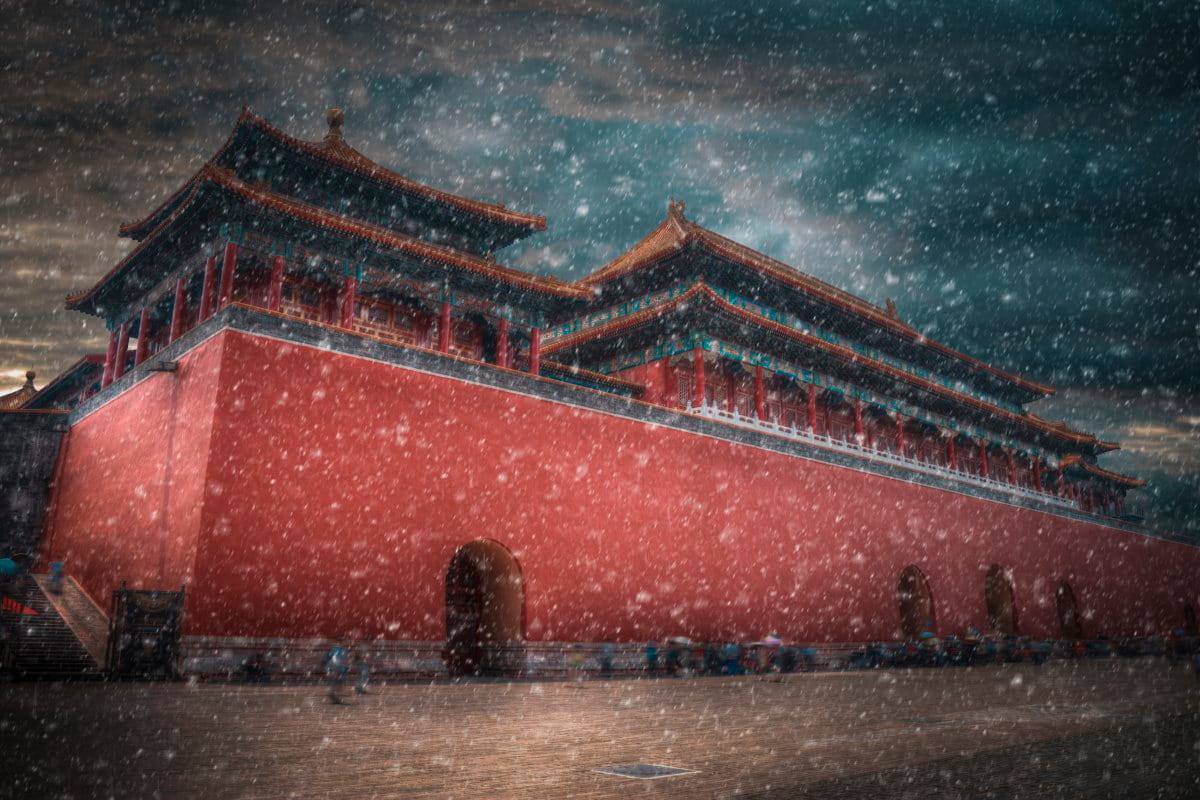
Walking through the Meridian Gate into the vast expanse of the Forbidden City is a breathtaking experience, regardless of when you visit. However, the atmosphere of this ancient complex shifts dramatically with the turning of the calendar. The red walls and golden roofs stand as a constant backdrop, but the mood, the light, and the comfort of your visit are dictated by Beijing’s distinct four seasons. Whether you are braving the crisp winds of January 2026 or planning a future trip for the blooming spring, understanding the seasonal nuances is key to unlocking the magic of the world's largest palace complex.
To truly appreciate the remarkable story of China's most iconic imperial residence, one must understand that the emperors lived their lives in rhythm with these seasons. Rituals, clothing, and even the rooms they inhabited changed based on the weather. For the modern traveler, choosing the right time to visit isn't just about weather; it's about balancing crowd levels with visual splendor.
Spring (March to May): A Palace in Bloom
As the harsh Beijing winter recedes, the Forbidden City undergoes a softening. Spring is arguably one of the most photogenic times to explore the grounds. The stark geometry of the traditional Chinese architectural brilliance is suddenly interrupted by bursts of organic color. By late March and early April, the imperial gardens come alive. The absolute highlight for many is the blooming of the magnolias and apricot blossoms. These delicate pink and white flowers create a stunning contrast against the deep crimson walls, offering a softer perspective on imperial power.
What to Expect:
- Weather: Temperatures are generally mild and pleasant, ranging from 10°C to 25°C (50°F - 77°F). However, spring in Beijing can be windy, and occasional sandstorms are not unheard of in March or April.
- Crowds: This is the shoulder season. While not as packed as the summer holidays, domestic tourism begins to pick up, especially during the Qingming Festival (early April) and the May Day holiday.
- Strategy: This is the perfect time to explore the expansive outdoor courtyards. Because the weather is comfortable for walking, you can tackle more comprehensive curated routes that cover the Western and Eastern palaces without fatigue.
Summer (June to August): The Imperial Heat
Summer brings a vibrant energy to Beijing, but it also brings the heat. The Forbidden City, with its vast stone courtyards and lack of shade in the central axis, can feel like a furnace. Temperatures frequently soar above 30°C (86°F), accompanied by high humidity. Despite the heat, this is peak season. Schools are out, and families from across China flock to the capital.
However, summer offers a unique grandeur. The sun is high and bright, making the golden roof tiles gleam with an intensity you won't see at other times of the year. The lush greenery in the Imperial Garden is at its peak density, providing a cool respite at the end of your tour.
Survival Tips for Summer Visits:
- Book Early: Tickets vanish instantly during July and August. You must secure your entry well in advance via our Tickets page to avoid disappointment.
- Start Early: Check the Forbidden City opening times and aim to be at the gate the moment they open. You will beat the worst of the midday heat and the largest tour groups.
- Hydration: Carry plenty of water. While there are shops inside, the lines can be long.
Autumn (September to November): The Golden Season
Ask any local when the best time to visit Beijing is, and the answer is almost unanimously "Autumn." The humidity breaks, the sky turns a piercing shade of blue (often called "Beijing Blue"), and the air becomes crisp. Visually, this is the Forbidden City at its most majestic. The ginkgo trees turn a brilliant gold, matching the imperial roof tiles, while the maple trees offer splashes of fiery red.
This season offers the most comfortable conditions for exploring the 180-acre complex. You can linger in the courtyards, admire the intricate details of the marble terraces, and take your time reading about the history without shivering or sweating. It is also the ideal season for photography. The sun sits lower in the sky than in summer, creating longer shadows and a warmer light that bathes the ancient structures in a nostalgic glow.
If you are a shutterbug, consult our Photography Guide to find the best angles to capture the autumn foliage framing the ancient watchtowers.
Winter (December to February): Solitude and Snow
Visiting in winter, particularly in January, is not for the faint of heart, but it offers a reward that other seasons cannot: silence. The crowds dissipate significantly, leaving the vast squares feeling even more enormous and imposing. As you walk through the complex today, in January 2026, you might find that you can take a photo of the Hall of Supreme Harmony without a single other person in the frame—a rarity in modern China.
The temperatures can drop well below freezing, and the wind chill in the open courtyards is biting. However, if you are lucky enough to visit during a snowfall, you will witness the Forbidden City's most enchanting look. The red walls against pure white snow is an image straight out of a classical painting. Even without snow, the frozen moat surrounding the complex adds a layer of stark, defensive beauty to the site.
Winter Travel Notes:
- Shorter Days: Be mindful that the museum closes earlier in the winter season (November 1st to March 31st). You have fewer daylight hours to explore.
- Logistics: After a cold day of walking, you'll want the most efficient way home. Check our guide on how to get there and away; the subway is often warmer and faster than waiting for a taxi in the cold wind.
- Nearby Warmth: After your visit, head to nearby attractions like Jingshan Park for a quick panoramic view, then retreat to a nearby teahouse to warm up.
Seasonal Overview at a Glance
To help you plan your specific dates, here is a breakdown of what to expect regarding conditions and crowds.
| Season | Avg Temp | Crowd Level | Best For |
| Spring | 10°C - 25°C | Moderate | Flower blossoms, comfortable walking, mild photography. |
| Summer | 25°C - 35°C+ | Very High | Vibrant green gardens, intense blue skies, cultural energy. |
| Autumn | 10°C - 20°C | High to Moderate | Perfect weather, ginkgo leaves, clear skies. |
| Winter | -10°C - 5°C | Low | Solitude, potential snow scenery, budget travelers. |
Final Thoughts on Planning Your Visit
No matter which season you choose, the Forbidden City requires preparation. The sheer scale of the complex means you will be walking for hours. In summer, this means sun protection is non-negotiable; in winter, thermal layers are your best friend. Remember that ticket policies and opening hours shift between the "High Season" (April–October) and "Low Season" (November–March).
Ultimately, the "best" time to visit depends on what you value most. If you seek the perfect photo and comfortable weather, aim for October. If you want to feel the ghostly echo of history without the chatter of thousands of tourists, brave the cold of January. Whenever you decide to step into this imperial wonder, the history within these walls remains timeless.