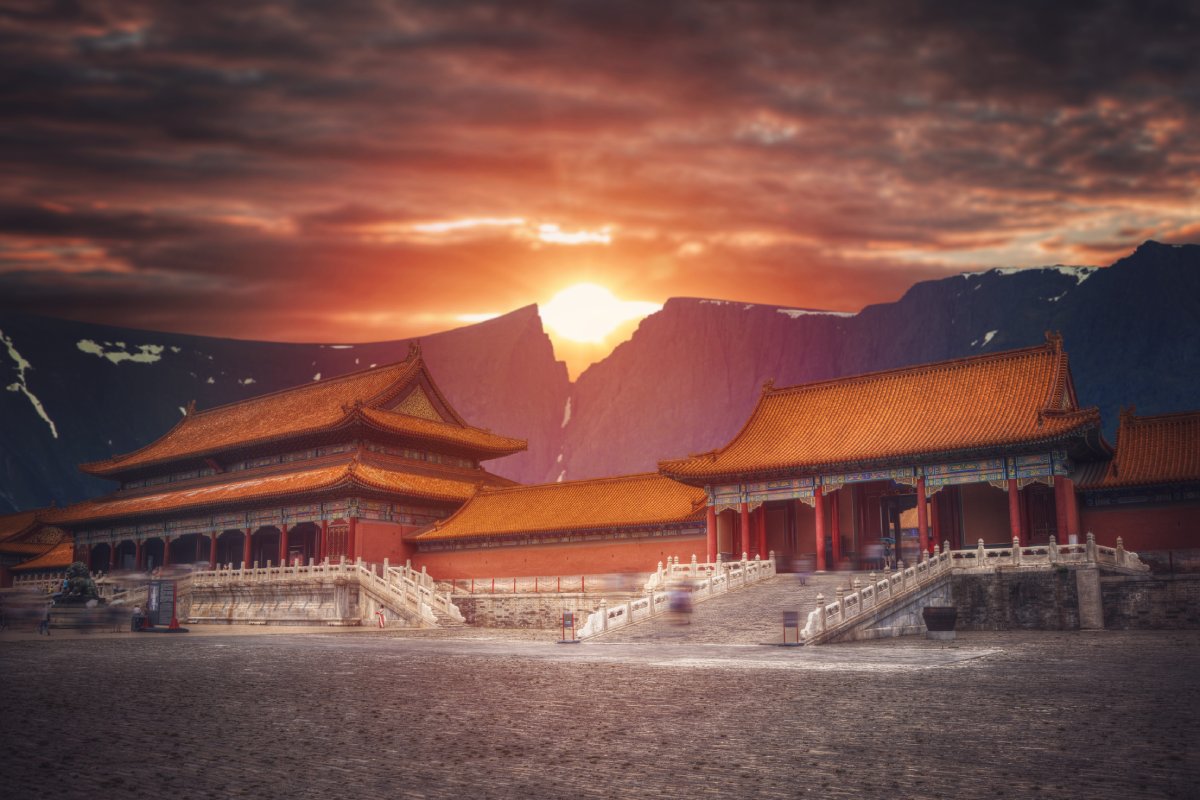
When you step through the massive red doors of the Meridian Gate, the first thing that strikes you is the sheer scale of the imperial palace. However, if you look closer, down from the sweeping yellow roofs and past the vast courtyards, you will notice you are being watched. Looming in bronze and stone, terrifying yet majestic, are the silent sentinels of the empire. These are not merely decorative statues; they are spiritual guardians, placed with precise intent to ward off evil spirits and project the absolute power of the Emperor. As of January 2026, these figures remain as imposing as they were centuries ago, inviting travelers to look beyond the architecture and into the soul of ancient Chinese mythology.
For the uninitiated traveler, these statues might look like stylized animals, but every curl of a mane, position of a paw, and mythical attribute tells a specific story. They are the physical manifestations of a belief system that combined Taoism, Buddhism, and Confucian hierarchy. To truly appreciate the architecture of this massive complex, one must understand the beasts that protect it. From the iconic lions guarding the supremacy of the throne to the peculiar horned creatures on the roof ridges, let us uncover the mythology behind the Forbidden City’s most enduring residents.
The Bronze Lions: Sentinels of Supreme Harmony
The most famous and photographed statues in the entire complex are undoubtedly the pair of bronze lions guarding the Gate of Supreme Harmony. While many visitors casually refer to them as "Fu Dogs"—a term popularized in the West—they are, in fact, lions. In Chinese culture, the lion was not native to the land but was introduced through Buddhist scriptures as the mount of the bodhisattva Manjusri. Over time, Chinese artisans, having never seen a real lion, sculpted them based on descriptions and the features of native dogs, resulting in the stylized, muscular, and mythical appearance we see today.
These are not random placements; they represent the ultimate authority of the imperial family. If you look closely at the pair, you will notice distinct differences between the two, representing a perfect balance of Yin and Yang. To the east stands the male lion, leaning his paw upon an embroidered ball. This sphere represents the world or the "flower of life," symbolizing the Emperor's dominion over the entire globe and his responsibility to maintain universal order. To the west sits the female lion, her paw resting gently on a playful cub lying on its back. This symbolizes the Empress, fertility, and the nurturing protection of the imperial lineage, ensuring the dynasty continues for ten thousand generations.
The Yin and Yang of the Lions
The distinct differences between the male and female lions perfectly embody the concept of Yin and Yang, a fundamental principle in Chinese philosophy. This balance reflects the harmony and order that the Emperor and Empress were expected to maintain within the empire.
Why They Look So Ferocious
Unlike the serene statues of Buddha found in temples, these guardians are designed to intimidate. Their mouths are open in a perpetual roar, their eyes are wide and bulging, and their muscles are tense, ready to pounce. This ferocity serves a dual purpose: physically, it reminded visiting officials and foreign envoys of the Emperor's military might; spiritually, it was believed to scare away malevolent spirits and bad energy (sha qi) from entering the sacred halls. As you walk past them, it is easy to feel small—exactly how the architects intended you to feel.
Beyond the Lions: The Menagerie of Mythical Beasts
While the lions claim the spotlight, the Forbidden City is home to a variety of other mythical creatures, each serving a specific function in the celestial bureaucracy. As you navigate the complex using our recommended itineraries, keep an eye out for the bronze tortoises and cranes located near the Hall of Supreme Harmony. In Chinese mythology, both the tortoise and the crane are symbols of longevity. The bronze tortoise, with its dragon-like head, represents the endurance of the empire, while the crane symbolizes the Emperor’s ascent to immortality. Unlike the solid stone lions, these hollow bronze statues were actually used as incense burners during grand ceremonies, with smoke billowing from their mouths to create a mystical atmosphere.
- The Xiezhi (The Justice Beast): Often found on roof ridges, this bull-like creature with a single horn was believed to have the innate ability to distinguish between good and evil. It would ram the guilty party with its horn, making it a symbol of imperial justice.
- The Luduan: Located near the throne in the Hall of Supreme Harmony, this unicorn-like beast was said to be able to travel 18,000 li (Chinese miles) in a day and speak all languages, symbolizing the Emperor's enlightened rule and far-reaching wisdom.
- The Qilin: Often confused with the Western unicorn, the Qilin is a gentle creature that appears only during the reign of a benevolent ruler. You can find statues of this auspicious beast in the Imperial Garden, guarding the private quarters of the imperial family.
The March of the Roof Guardians
One of the most fascinating aspects of the palace's design is found not on the ground, but high above your head. On the sweeping eaves of the yellow-glazed roofs, you will see a procession of small figures marching single file. These are the roof charms, or "glazing beasts," led by a man riding a phoenix. The number of beasts indicates the status of the building. The Hall of Supreme Harmony is unique in all of China because it features ten beasts—the maximum number possible—symbolizing the absolute highest rank in the empire.
| Guardian Name | Symbolism | Where to Spot |
| Dragon (Long) | Supreme imperial power and authority. | Roof ridges & Stone ramps |
| Phoenix (Feng) | Virtue, grace, and the Empress. | Roof ridges & Empress's quarters |
| Lion (Suanni) | Bravery and spiritual protection. | Gate entrances & Roof lines |
| Heavenly Horse | Speed and traveling through the skies. | Roof ridges (3rd in line) |
| Bull (Douniu) | Prevention of disasters and floods. | Roof ridges (trailing beasts) |
The Practical Purpose of Roof Guardians
These figures were not just ornamental; they covered the nails that held the roof tiles in place, preventing rust and leaks. However, their mythological role was to prevent fire—a constant threat to the wooden palace structures. The presence of sea creatures like the dragon-fish (Chiwen) on the main ridge was believed to summon rain during a fire.
How to Experience the Guardians
To truly appreciate these statues, timing is everything. The harsh midday sun can flatten the details of the bronze and stone. The best time to visit for viewing these guardians is early morning or late afternoon when the shadows accentuate the muscle definition of the lions and the scales of the dragons. If you are planning a trip, be sure to check the current opening hours, as the lighting changes drastically throughout the seasons.
For photography enthusiasts, the bronze lions offer incredible texture. Close-up shots of the stylized curls or the intricate patterns on the embroidered ball can yield stunning results. If you want to capture the roof beasts, a telephoto lens is essential. Our dedicated photography guide offers specific advice on angles and camera settings to capture the majesty of the imperial palace without the crowds obstructing your view.
Capturing the Perfect Shot
Consider bringing a telephoto lens to capture the details of the roof guardians. Experiment with different angles and lighting to highlight the intricate details of the statues. Early morning or late afternoon light will provide the best results.
Practical Tips for Your Visit
The Forbidden City is massive, covering 180 acres, and finding every specific statue can be a treasure hunt. We recommend securing your tickets well in advance, as daily visitor caps are strictly enforced. Once inside, having a guide or a well-planned route is crucial. If you are interested in the evolution of these symbols over the dynasties, you might want to read up on the history of the Ming and Qing dynasties before your arrival.
Getting to the palace is relatively straightforward, as it sits in the very center of Beijing. You can follow our guide on how to get there via subway or taxi. After you have finished exploring the mythology of the gates, don't forget that the surrounding area is rich with history. Jingshan Park, located directly to the north, offers a bird's-eye view of the palace roofs, allowing you to see the alignment of the guardians from above. Check our nearby attractions page for more ideas on extending your day trip.
Standing before these guardians, you are not just looking at metal and stone. You are witnessing the frozen prayers of an empire that sought to align the human world with the cosmic order. Whether they are the roaring lions at the gate or the silent dragons on the roof, they remain the enduring spirit of the Forbidden City.