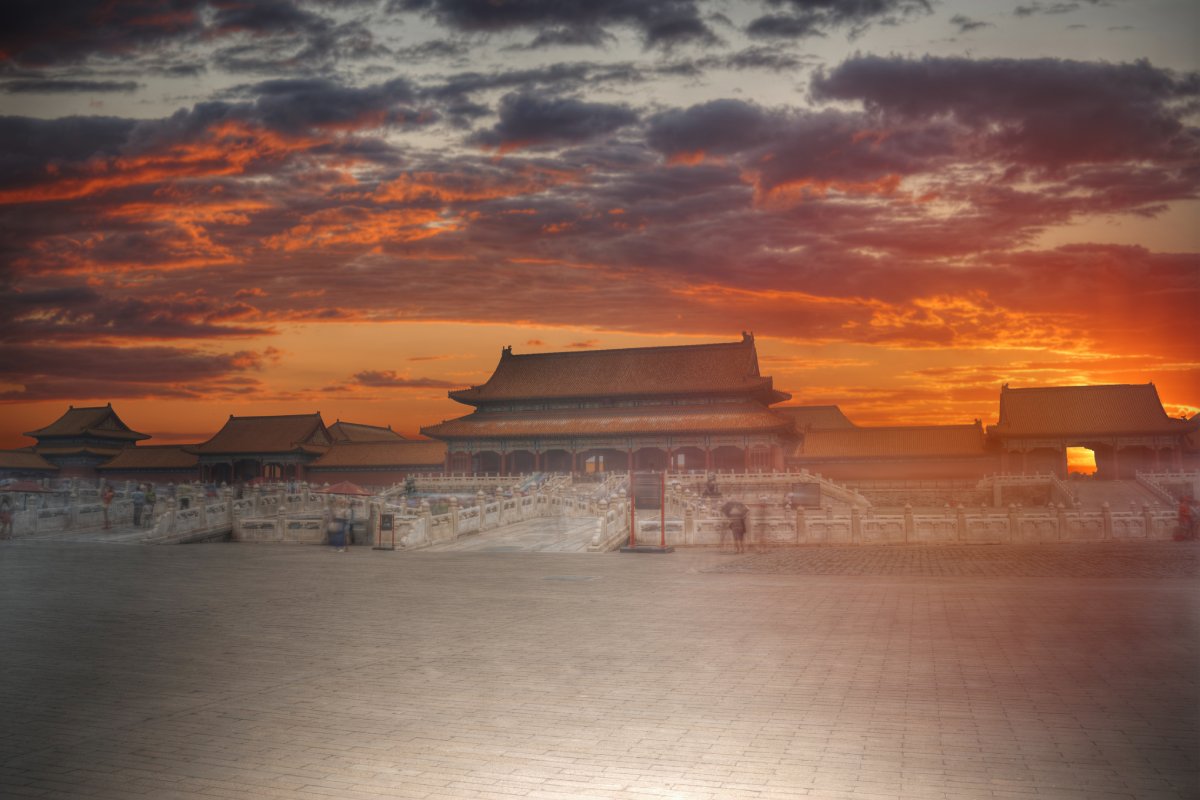
When you stand before the towering Meridian Gate, looking up at the sweeping golden roofs against the Beijing sky, you are not merely looking at a building; you are witnessing the source code of Chinese aesthetics. For over 600 years, the Forbidden City has served as more than just the political heart of the Ming and Qing dynasties. It has been the ultimate arbiter of taste, style, and artistic expression in China. The imperial palace did not just house art; its very structure, color palette, and intricate details became the standard by which beauty was measured across the empire. As we move through 2026, the influence of this architectural masterpiece continues to resonate, proving that true design genius is timeless.
The relationship between the Forbidden City’s architecture and broader Chinese art is symbiotic. The rigid symmetry of the halls influenced the composition of court paintings, while the symbolic motifs found on imperial robes dictated the patterns used in civilian ceramics and textiles. To understand Chinese art—whether it is a delicate ink wash painting, a piece of carved jade, or even contemporary graphic design—one must first understand the visual language spoken by the walls of the Forbidden City. This massive complex is a crystallization of philosophy, cosmology, and power, translated into wood, stone, and tile.
The Imperial Palette: Red, Yellow, and the Psychology of Color
If you close your eyes and imagine the Forbidden City, two colors immediately flood your mind: the deep, earthy red of the walls and the luminous, celestial yellow of the glazed roof tiles. This was not an arbitrary design choice but a calculated aesthetic that has permeated Chinese culture. Yellow, representing the earth element and the center of the cosmos, was exclusively reserved for the Emperor. This restriction elevated the color to a status of divinity in Chinese art. For centuries, the specific shade of "imperial yellow" found on porcelain vases and silk tapestries was a direct reference to the tiles that shelter the remarkable story of China's most iconic imperial residence.
Contrastingly, the omnipresent red symbolizes good fortune, joy, and the fire element. The visual impact of red walls against white marble terraces created a high-contrast aesthetic that artists have mimicked for generations. In traditional Chinese painting, the use of vermilion ink stamps (chops) to sign black-and-white calligraphy creates a similar visual anchor, balancing the composition much like the red pillars balance the vast spaces of the palace courtyards. Today, this color combination remains the most recognizable visual shorthand for Chinese culture globally, influencing everything from festive decorations to modern branding. Consider, for instance, the use of red and gold in modern Chinese New Year celebrations, or the branding of many Chinese restaurants worldwide – a direct descendant of the Forbidden City's powerful color story.
Symmetry and Order: The Backbone of Artistic Composition
The Forbidden City is the physical embodiment of Confucian order. It is built along a distinct central axis, a line that runs north to south, organizing the entire city of Beijing. This obsession with symmetry and hierarchy is perhaps the palace's most profound contribution to Chinese aesthetics. When you delve into the details of traditional Chinese architectural brilliance, you notice that every gate, hall, and courtyard mirrors its counterpart. This structural rigidity taught Chinese artists that beauty lies in balance and stability.
This influence is clearly visible in:
- Shan Shui (Landscape) Painting: While nature is organic, the composition of mountains and rivers in classical art often follows a balanced hierarchy, mimicking the central axis of the palace.
- Furniture Design: Ming dynasty furniture, renowned worldwide for its elegance, relies on the same structural integrity and symmetrical lines found in the Hall of Supreme Harmony.
- Calligraphy: The spacing of characters and the vertical flow of text reflect the orderly progression of the palace's courtyards.
The layout of the palace commands respect and dictates movement, a concept that translates into the "use of void" in art. Just as the vast, empty courtyards emphasize the grandeur of the halls, the empty spaces in a painting emphasize the subject. It is a mastery of negative space that originated in architecture and flourished on paper.
Symbolism in Stone and Silk: The Language of Motifs
Every inch of the Forbidden City is decorated. From the stone ramps carved with swirling clouds to the intricate caisson ceilings, the palace is a library of symbols. The dragon (power) and the phoenix (grace) are the most prominent, but they are accompanied by a host of mythical beasts, flora, and geometric patterns. These architectural decorations did not stay on the walls; they migrated to every form of decorative art in China. The way a dragon is coiled around a pillar in the Palace of Heavenly Purity became the template for how dragons were painted on vases or woven into robes.
To better understand how these architectural elements translated into broader art forms, consider the following comparisons:
| Architectural Element | Symbolic Meaning | Influence on Broader Art Forms |
| Roof Guardians (Beasts) | Protection against fire and evil spirits | Inspired the whimsical ceramic figurines found in folk art and the protective amulets worn by children. |
| Lattice Windows | Connecting interior with the cosmos | Became the foundational geometric patterns for textile weaving and graphic borders in scroll paintings. |
| Caisson Ceilings (Zaojing) | Heaven and the water element | Influenced the circular, intricate designs found on bronze mirrors and the layout of traditional embroidery. |
| Stone Balustrades | Hierarchy and boundaries | The cloud and floral carvings became standard motifs in jade carving and ink stone designs. |
The Garden Aesthetic: Nature Tamed by Art
While the outer court is all about rigid power, the Imperial Garden offers a glimpse into a different aesthetic: the harmony between man and nature. Here, the straight lines of architecture give way to the organic shapes of scholar rocks and ancient cypress trees. This interplay influenced the "literati aesthetic," which values ruggedness, asymmetry, and age. Visitors hoping to capture the timeless beauty of the imperial palace often find that the juxtaposition of geometric roofs against twisted tree branches provides the most compelling artistic composition.
The gardens taught artists that perfection isn't just about smooth lines; it's about the beauty of the weathered and the ancient. This concept is central to the appreciation of antiques and the aesthetic of "wabi-sabi" which, while often associated with Japan, has deep roots in Chinese Zen and garden philosophy. The rockeries of the Forbidden City are essentially 3D landscape paintings, blurring the line between sculpture, architecture, and gardening.
Experiencing the Aesthetic Legacy Today
To truly grasp the magnitude of this artistic influence, one must walk the grounds. The scale of the Forbidden City—covering 180 acres—can be overwhelming, but it is within this vastness that the details shine brightest. Whether you are an art historian or a casual traveler, seeing the light hit the golden tiles during the sunset creates a connection to centuries of artistic endeavor.
Planning a visit requires some strategy to ensure you aren't rushed through these artistic marvels. We recommend checking our guide on the best time to visit to avoid the densest crowds, allowing you the quiet space to appreciate the intricate designs. Since the complex is massive, utilizing curated routes helps you focus on the most aesthetically significant halls and gardens without exhaustion.
For those ready to witness this masterpiece, securing tickets in advance is essential, as the daily cap is strictly enforced to preserve the structure. Once you have finished exploring the palace, the aesthetic journey continues outside its walls. The rich cultural landscape surrounding the imperial palace, including Jingshan Park, offers a bird's-eye view of the complex, allowing you to see the perfect symmetry of the roofs that inspired countless paintings.
The Forbidden City's influence can even be seen in contemporary fashion. Chinese designers frequently incorporate elements like dragon motifs, imperial yellow hues, and symmetrical patterns into their collections, showcasing the enduring appeal of these aesthetics to a modern audience. Furthermore, the palace's architectural principles continue to inspire modern architects and designers worldwide, demonstrating its timeless relevance.
Conclusion
The Forbidden City is more than a museum; it is the cornerstone of Chinese visual culture. Its influence stretches far beyond its red walls, shaping the curve of a porcelain bowl, the stroke of a calligraphy brush, and the composition of a modern film frame. By understanding the architecture of this imperial city, we gain the key to unlocking the deeper meanings behind Chinese art. It stands as a testament to a civilization that valued beauty, order, and symbolism in equal measure, leaving a legacy that continues to inspire awe in 2026.
Before you go, make sure to check the opening hours and plan your transport with our guide on how to get there to ensure a smooth and inspiring visit to Beijing's heart.