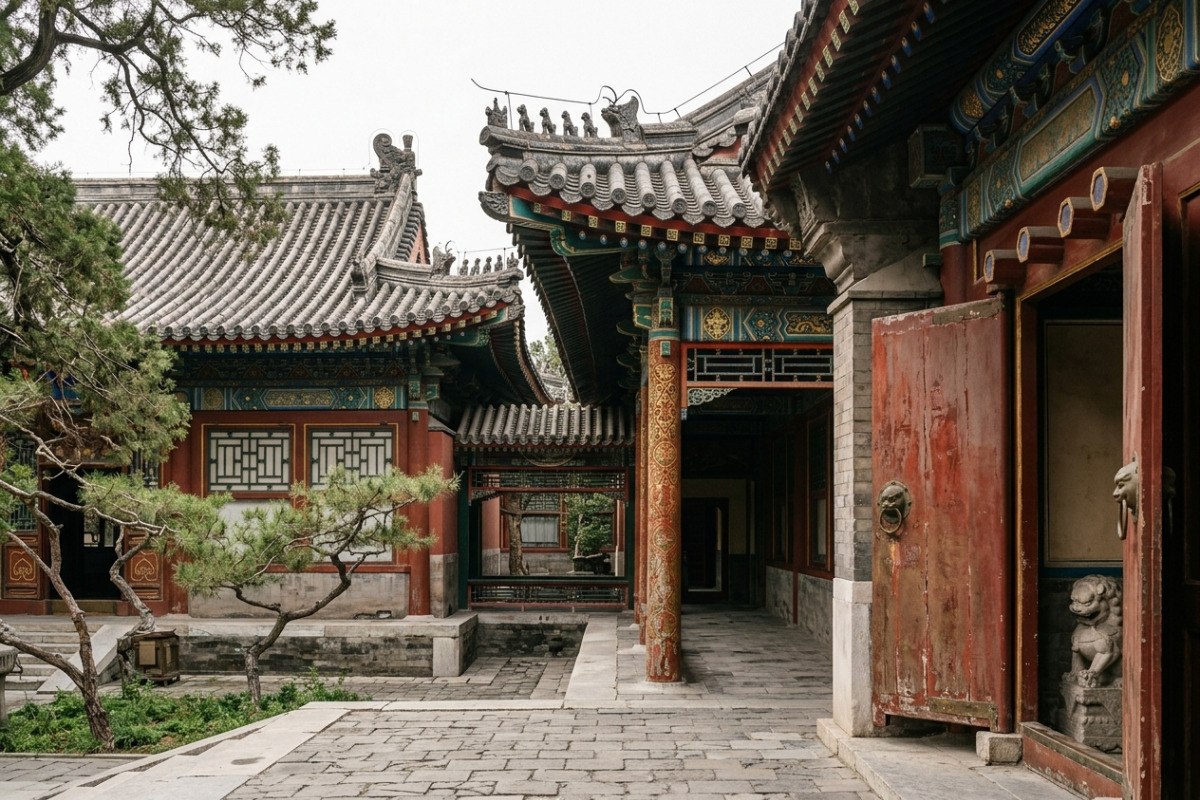
The Forbidden City, a UNESCO World Heritage site, is more than just an architectural marvel; it is a tapestry woven with centuries of history, culture, and hidden meanings. As you step through its majestic gates, you are not merely entering a palace but embarking on a journey through time. This exploration will unveil the layers that make the Forbidden City a must-visit destination for history enthusiasts and casual travelers alike.
The Layers of History: A Deeper Look
While many visitors are captivated by the breathtaking architecture of the Forbidden City, the true essence lies in its rich history. Constructed in the early 15th century during the Ming Dynasty, this imperial palace served as the home to emperors and their households for almost 500 years. Each corner of the Forbidden City echoes stories of dynasties, political intrigue, and cultural evolution.
Understanding the historical context is essential for appreciating the significance of this site. The Forbidden City was not just a residence; it symbolized the absolute power of the emperor and the divine right to rule. By exploring its numerous halls and courtyards, you will uncover the narratives of emperors who once walked these grounds and the rituals that shaped their reigns.
Architectural Wonders: Design and Symbolism
The architectural brilliance of the Forbidden City is evident in its layout, which follows traditional Chinese city planning principles. The meticulous design reflects harmony and balance, fundamental concepts in Chinese philosophy. The use of colors, materials, and symbolic motifs throughout the complex conveys messages of power and auspiciousness.
For instance, the color red, prevalent in the Forbidden City, represents good fortune and joy. The intricate roof designs, with their upward-curving eaves, not only serve aesthetic purposes but also symbolize the connection between heaven and earth. As you wander through the palace, take a moment to observe these details; they are not just ornamental but integral to understanding the cultural significance of this historic site.
Experiencing the Forbidden City: Practical Tips for Visitors
To make the most of your visit to the Forbidden City, planning ahead is essential. Start by purchasing your tickets online to avoid long queues. The palace can become quite crowded, especially during peak tourist seasons, so consider visiting during off-peak hours for a more intimate experience.
Additionally, familiarize yourself with the layout of the Forbidden City. With over 980 buildings covering 180 acres, it’s easy to get lost. A recommended route includes starting at the Meridian Gate and making your way through the Hall of Supreme Harmony, where emperors once held court, and ending at the Imperial Garden, a serene space that offers a moment of reflection amidst the grandeur.
Embracing Cultural Etiquette and Respect
When visiting the Forbidden City, it's vital to respect the cultural heritage of this iconic site. As a symbol of Chinese civilization, the Forbidden City is more than just a tourist attraction; it represents the collective memory and identity of a nation. Keep in mind local customs, such as speaking softly and refraining from touching artifacts, to enhance your experience and show respect for this historical treasure.
Moreover, engage with the various exhibitions and information displays throughout the complex. They provide valuable insights into the history and significance of the palace, enriching your visit. Consider utilizing guided tours or audio guides to gain deeper context and understanding of the sights before you.
Conclusion: Your Journey Awaits
The Forbidden City is a treasure trove of history, architecture, and culture waiting to be explored. As you plan your visit, remember to purchase your tickets in advance and embrace the stories that each corner of this magnificent site has to tell. Whether you are an architecture aficionado or a curious traveler, the Forbidden City promises an unforgettable journey that transcends time and space.