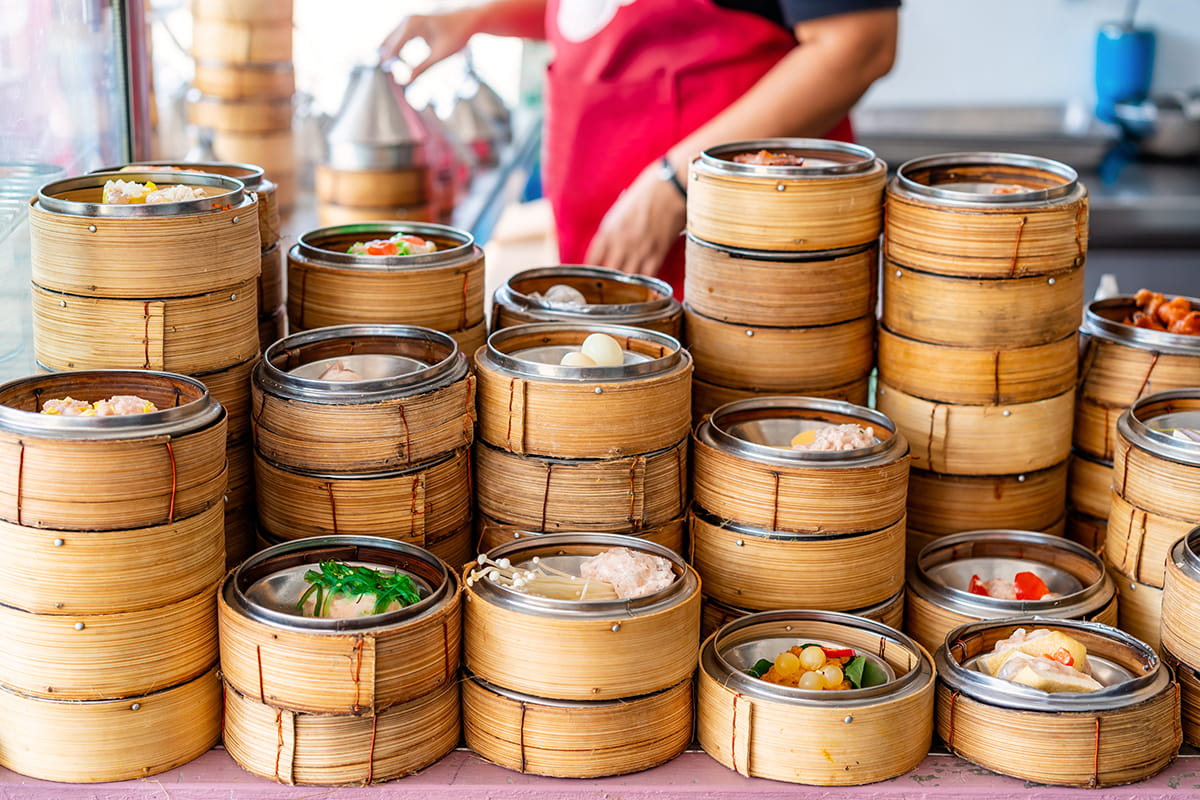
Stepping out of the imperial palace after a day of exploration is an experience that lingers in the mind, but the cultural journey in Beijing doesn't end at the exit gates. The historic neighborhoods surrounding the palace are teeming with culinary gems that offer a taste of authentic Beijing life. Whether you have spent the morning marveling at the Architecture of the Hall of Supreme Harmony or navigating the vast courtyards, sitting down for a traditional meal is the perfect way to decompress. However, dining in China, especially in traditional establishments found in the hutongs near the city center, comes with its own set of unspoken rules and customs. Understanding these nuances not only shows respect to your hosts and fellow diners but also deepens your connection to the local culture.
For many travelers, the transition from sightseeing to dining can be a bit daunting due to language barriers and cultural differences. Just as you would plan your route using our Itineraries to see the best of the palace, preparing for a traditional meal requires a little bit of knowledge. In January 2026, the culinary scene in Beijing remains deeply rooted in tradition, even as the city modernizes. This guide will walk you through the essential etiquette to ensure your dining experience is as majestic as the palace itself.
The Hierarchy of Seating Arrangements
In Western dining, seating is often a free-for-all or decided by a host stand, but in traditional Chinese culture, where you sit matters immensely. This is particularly true if you are invited to a meal by locals or are dining in a formal setting near the Forbidden City. The table is viewed as a microcosm of social hierarchy, a concept that dates back centuries and parallels the structured ranks you might read about in the History of the imperial court. The seat of honor is almost always the one facing the entrance of the room. If the table is round, which symbolizes unity and reunion, the most distinguished guest or the eldest person sits in this spot.
If you are the guest, wait to be seated rather than rushing to a chair. The host will usually guide you to your spot, which is typically to their right or left. If you are dining with a group of friends and there is no formal host, it is still polite to offer the best seat (facing the door or with the best view) to the oldest member of your party. This gesture of filial piety is deeply appreciated in Chinese culture. Once everyone is seated, the meal becomes a communal event, distinct from the individual plating common in the West.
Mastering Chopstick Etiquette
Chopsticks are more than just utensils; they are an extension of your fingers and come with a strict set of taboos. While you might be comfortable using them, knowing the specific "don'ts" is crucial to avoid offending anyone. The most famous rule, which you may have heard before, is never to stick your chopsticks vertically into a bowl of rice. This resembles incense sticks burned at a tomb for the dead and is considered extremely inauspicious. Given the deep cosmic meanings found in the palace's design, symbols of luck and misfortune are taken seriously here.
Another common mistake to avoid is using your chopsticks to dig through food to find a specific piece. This is known as "grave digging" and is seen as poor manners. Instead, you should visually select the piece you want and pick it up in one smooth motion. Additionally, avoid tapping your chopsticks on the side of your bowl. Historically, beggars would tap their bowls to attract attention, so doing this in a restaurant is frowned upon. If you are unsure about your skills, don't worry; many restaurants near the Nearby Attractions are used to international visitors and will happily provide a fork if asked, but trying to adhere to local customs is always praised. Beyond the "don'ts," remember that it's also impolite to spear food with your chopsticks. If you're struggling to pick something up, ask for assistance rather than resorting to stabbing it.
The Communal Table and the Lazy Susan
Most traditional tables in Beijing feature a rotating glass turntable known as a Lazy Susan. This invention makes sharing dishes—a cornerstone of Chinese dining—much easier. However, there is an art to using it. You should never spin the table when someone else is in the process of serving themselves. It requires a level of situational awareness. Always check that the coast is clear before rotating the device to bring that delicious Peking Duck or Kung Pao Chicken closer to you.
When serving yourself, the rule of thumb is to take small amounts. It is considered polite to leave the last piece of food on a serving dish, or at least to ask the table if anyone else would like it before taking it yourself. Furthermore, if there are communal chopsticks (gong kuai) provided with the dish, use them instead of your personal chopsticks to transfer food to your bowl. This is a hygiene practice that has become standard in recent years.
Tea Culture and the Finger Tap
Tea is the lifeblood of Beijing social life. As soon as you sit down, tea will likely be served. If you are visiting during the colder months, perhaps after checking our Best Time to Visit guide for winter tips, this hot tea is a welcome comfort. A fascinating custom you will observe is the "finger tap." When someone pours tea for you, you can silently express your gratitude by tapping your index and middle fingers on the table two or three times. This tradition legendarily dates back to an emperor who traveled in disguise; his servants, unable to bow without blowing his cover, tapped their fingers to show respect.
If you are pouring tea, always serve others before yourself. Start with the eldest or most senior person at the table and work your way down. Never let a teacup run completely dry; if you see a companion's cup is half empty, top it up. If the teapot runs out of water, simply leave the lid ajar or flip it upside down on the handle. This signals the waitstaff to refill the pot without you having to shout across the room.
Ordering and the Balance of Flavors
A traditional Chinese meal is all about balance—textures, flavors, and temperatures. This concept of harmony, or Yin and Yang, is similar to the balance you see in the layout of the imperial complex. A typical meal starts with cold dishes (liang cai) to stimulate the appetite, followed by hot meat and vegetable dishes, a soup, and finally a staple food like rice, noodles, or dumplings. It is rare to order just one dish per person; instead, you order a variety for the table to share.
When ordering, try to include a mix of cooking methods: something stir-fried, something steamed, and perhaps something braised. If you have spent the day following our Photography Guide and are carrying camera gear, be mindful of where you place it so it doesn't obstruct the service. The atmosphere in these restaurants is often "re nao" (hot and noisy), meaning lively and bustling. Don't be afraid of the noise; it signifies a good meal and a happy establishment.
Another important aspect of ordering is considering dietary restrictions and preferences within your group. It's common to ask if anyone has allergies or dislikes certain ingredients. Showing consideration for others' needs is highly valued. Also, don't be afraid to ask the waitstaff for recommendations; they can often suggest dishes that are particularly good or representative of the local cuisine.
Quick Etiquette Reference Guide
| Category | Do's | Don'ts |
| Chopsticks | Place them on the chopstick rest when not in use. | Stick them vertically in rice or point at people with them. |
| Seating | Wait to be seated or offer the best seat to the eldest. | Sit immediately in the seat facing the door (unless you are the host). |
| Drinking | Toast with others (Ganbei) holding your glass lower than theirs. | Drink alcohol alone without acknowledging the group. |
| The Bill | Offer to pay (even if the host refuses). | Calculate exactly who owes what down to the penny (unless agreed upon). |
Paying the Bill and Leaving
In the West, "going Dutch" is common, but in traditional Chinese culture, splitting the bill is less common among friends or hosts. Usually, one person pays for the entire table. You might witness a playful "fight" over the bill, where diners clamor to be the one to pay. This is a genuine display of generosity. As a traveler, if you are treated to a meal, the polite response is to sincerely thank the host and perhaps offer to treat them to a meal or a drink later. If you are dining with fellow travelers, splitting the bill is perfectly acceptable, but it is often easier to have one person pay and settle up later to avoid holding up the busy staff.
Before you head out to find your way back to your hotel—referencing our How to Get There guide for transport options—take a moment to appreciate the meal. Food in Beijing is an integral part of the travel experience. By following these simple etiquette tips, you transform a simple lunch or dinner into a culturally enriching event that complements your visit to the Forbidden City perfectly. Remember to check the Opening Hours of the palace if you plan to return or are visiting nearby spots, as dining times in Beijing can sometimes run late, but museum hours are strict.
Whether you are enjoying a quick bowl of Zha Jiang Mian or a lavish banquet, the respect you show for local customs will always be returned with warm hospitality. Enjoy your culinary adventure in the heart of Beijing!