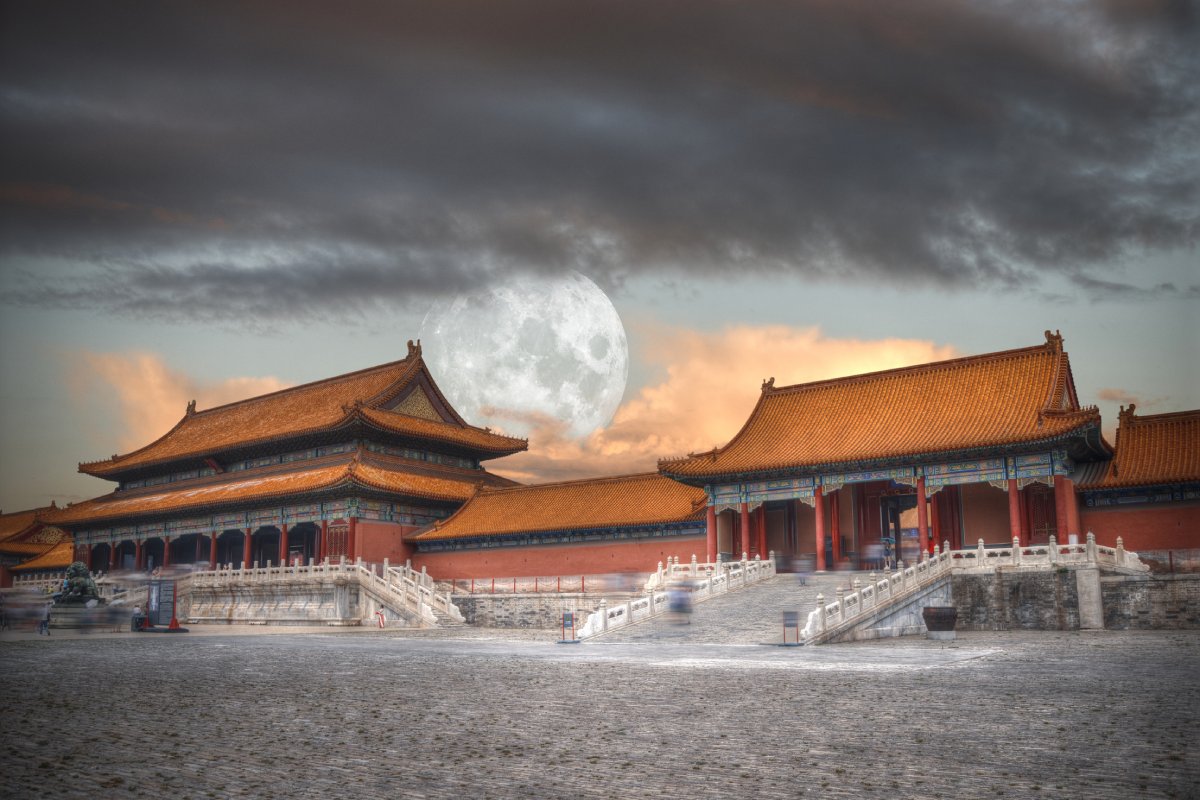
Visiting the world’s largest ancient palatial structure is a dream for many travelers, but the sheer scale of the Forbidden City can be daunting. With over 600 years of history, the complex was originally designed to impress with its imposing scale, high thresholds, and uneven cobblestones—features that were never intended to be accessible. However, in recent years, significant efforts have been made to modernize the experience without compromising the historical integrity of the site. Today, navigating the ancient courtyards is entirely possible for visitors using wheelchairs, parents with strollers, or elderly guests who require a smoother path.
Understanding the layout before you arrive is the key to a stress-free visit. While the sprawling grounds cover 180 acres, the management has established dedicated barrier-free routes that allow you to traverse the central axis—the heart of the palace—without having to lift a wheelchair over the traditional high wooden thresholds. By planning ahead and knowing exactly where the ramps and services are located, you can focus on the breathtaking Architecture rather than worrying about the obstacles underfoot. This guide is designed to help you move through the Imperial Palace with confidence and ease.
Preparing for Your Visit: Arrival and Entry
The journey begins at the Meridian Gate (Wu Men), which is the sole entrance for all visitors. This area can be crowded, but there are specific protocols in place for guests with disabilities. When you arrive, look for the dedicated lanes often marked for "Special Care" or accessible entry. These lanes bypass the tightest turnstiles and allow for a smoother security check process. Since the Forbidden City implements a strict daily visitor cap, ensuring you have your Tickets booked well in advance is crucial, even if you qualify for free or discounted entry due to disability status (policies vary, so always check official guidelines). For instance, some provinces in China offer discounts to disabled residents; be sure to check if your documentation is valid.
Getting to the Meridian Gate requires crossing the vast Tiananmen Square or approaching from the sides. If you are arriving by taxi or a ride-hailing service, you will likely be dropped off near the East or West Flowery Gates, requiring a bit of a roll or walk to the main southern entrance. For detailed advice on the most convenient drop-off points and public transport options that offer elevator access, consult our guide on How to Get There. Once you are at the Meridian Gate square, you will find the Visitor Service Center, which is your primary hub for assistance.
On-Site Wheelchair Services
If you are not traveling with your own mobility aid, the Palace Museum provides a wheelchair rental service. This service is invaluable for elderly visitors who can walk short distances but may find the miles of walking within the palace exhausting.
- Location: The primary rental station is located at the Service Center just inside the Meridian Gate (after the ticket check).
- Availability: Wheelchairs are provided on a first-come, first-served basis. Given the high volume of visitors, arriving early is highly recommended. During peak season, consider arriving at least 30 minutes before opening to secure a wheelchair.
- Deposit: A refundable deposit is typically required. Be prepared to show your passport or ID when renting the equipment. The deposit amount varies, so it's advisable to have both cash and a credit card available.
- Return Point: You can usually return the wheelchair at the Gate of Divine Prowess (the north exit), allowing you to complete the full one-way tour without backtracking. Confirm the return location with the rental staff upon pickup, as locations may change based on daily operations.
Navigating the Barrier-Free Route
The Forbidden City is best experienced along its central axis, and fortunately, this is where the accessibility improvements are most robust. The barrier-free route is designed to take you from the south entrance to the north exit, passing the most iconic structures. The historic wooden thresholds found at the entrance of every hall—originally designed to stop drafts and evil spirits—are now equipped with solid, anti-slip ramps in the central areas.
The Outer Court
After passing through the Meridian Gate, you will enter a massive courtyard facing the Gate of Supreme Harmony. The paving stones here are ancient and can be uneven, so a sturdy wheelchair with good tires is beneficial. The route directs you toward the side gates of the major halls, where slopes are gentler compared to the steep central staircases used by the emperors.
As you approach the Three Great Halls (Hall of Supreme Harmony, Hall of Central Harmony, and Hall of Preserving Harmony), look for the signage indicating accessible paths. These paths usually flank the sides of the grand terraces. While you cannot enter the interior of these halls (no visitors can), the viewing areas are accessible, allowing you to gaze into the throne rooms. To understand the significance of what you are seeing without needing to rush, you might want to review the History of these ceremonial spaces beforehand. Consider downloading an audio guide to listen while you are viewing the halls from the accessible areas; this can enhance your experience significantly.
The Inner Court and Imperial Garden
Moving northward into the Inner Court, the living quarters of the Imperial Family, the spaces become more intimate and the corridors narrower. However, the barrier-free route continues effectively. The Palace of Heavenly Purity and the Palace of Earthly Tranquility feature ramp access. This area is often crowded, so patience is key. It's also worth noting that some of the smaller courtyards in this area may have limited accessibility; focus on the main pathways to ensure a smooth journey.
The tour concludes in the Imperial Garden, a dense landscape of rockeries, pavilions, and ancient cypress trees. The paths here wind tightly, but the main walkways are paved and flat. This is a beautiful spot to rest, though navigating through the crowds during peak season can be tricky. Using our Best Time to Visit guide can help you choose a date or time slot where the garden is less congested, making mobility much easier. Look for benches near the main pavilions for a relaxing break.
Accessible Restrooms and Facilities
One of the biggest concerns for travelers with limited mobility is the availability of accessible restrooms. The Palace Museum has upgraded several facilities to western standards, including handrails and wider doors. These are strategically located along the main tour route.
| Zone | Location Description | Accessibility Features |
| Entrance Area | West side of the Meridian Gate square (before ticket check) and inside near the Gate of Supreme Harmony. | Ramps, wide stalls, handrails. |
| Outer Court | East and West sides of the Hall of Preserving Harmony. | Renovated facilities with barrier-free access. |
| Inner Court | Near the Gate of Heavenly Purity and the Palace of Earthly Tranquility. | Accessible stalls available; often busy. |
| Exit Area | Just inside the Gate of Divine Prowess (Shenwu Men). | Full accessible restroom facilities before leaving the complex. |
Tips for a Comfortable Experience
Exploring the Forbidden City is a marathon, not a sprint. To ensure the comfort of elderly guests or those in wheelchairs, consider the following practical advice:
- Pacing and Rest: The route is long. Take advantage of the benches scattered in the side courtyards. If you follow one of our curated Itineraries, you can prioritize the must-see halls and skip the distant treasure galleries if energy is running low.
- Companions: While the ramps are functional, some can be slightly steep or long. It is highly recommended to have a companion to assist with pushing manual wheelchairs, especially on the inclines leading up to the terrace levels.
- Footwear: If you are walking with a cane or walker, wear shoes with thick, shock-absorbing soles. The vibration from the cobblestones can be tiring on the joints.
- Hydration and Snacks: There are limited food stalls inside, and queues can be long. Bring your own water and small snacks to keep energy levels up without needing to deviate from the accessible path to find a vendor.
Photography from a Seated Perspective
Don't let a seated position discourage you from capturing the magic of the palace. In fact, shooting from a lower angle often emphasizes the grandeur of the towering roofs and the vastness of the sky above the golden tiles. The barrier-free paths often run closer to the red walls, offering unique leading lines for your photos. For more advice on lighting and composition, check out our Photography Guide.
Exiting and Nearby Attractions
The standard exit is the Gate of Divine Prowess (North Gate). There is a barrier-free path leading out of the palace here. Once you exit, you are directly across from Jingshan Park. While Jingshan offers a famous panoramic view, be aware that reaching the summit involves a steep climb that is not wheelchair accessible. However, the base of the park and the surrounding moat offer lovely, flat promenades.
If you still have energy, you can explore other Nearby Attractions such as Beihai Park, which offers better accessibility around its lake. Navigating the Imperial Palace requires effort, but with the installed ramps and a bit of planning, the majesty of China’s history is open to everyone. Enjoy the journey through time, knowing that the path has been smoothed for your convenience.