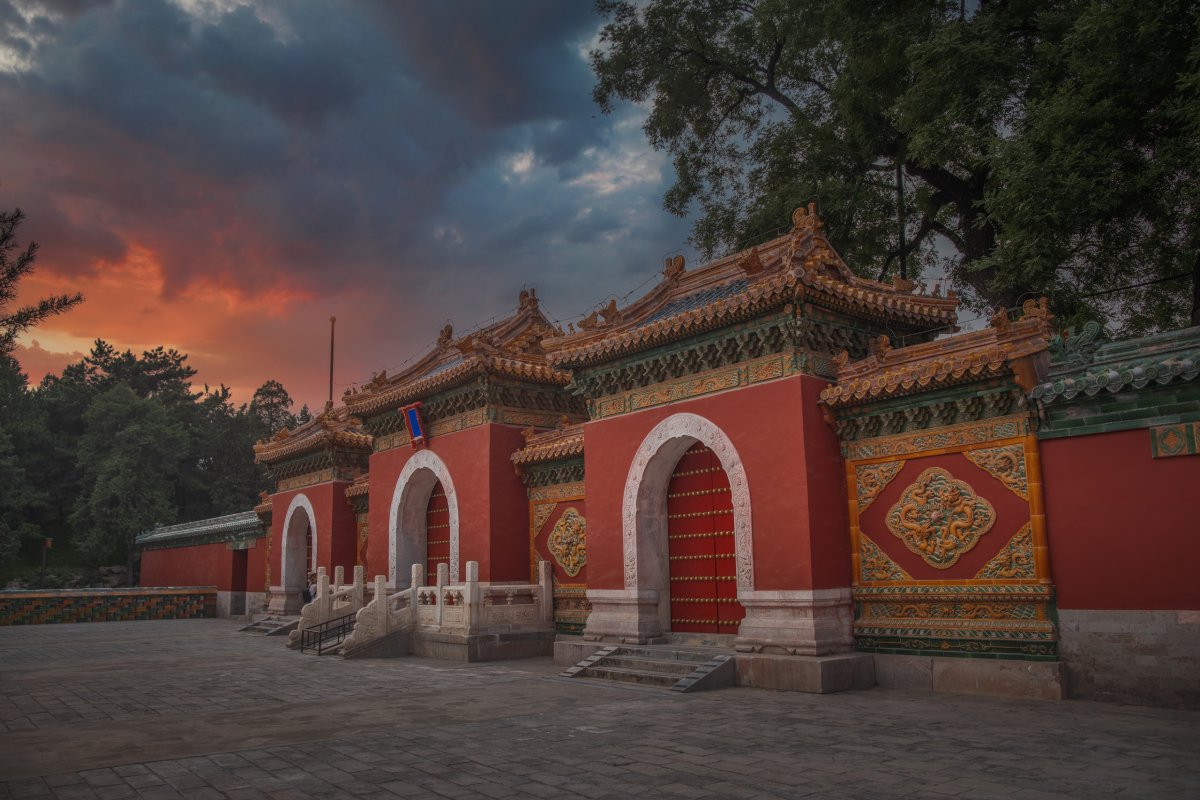
Visiting the world's largest imperial palace complex is a dream for many travelers, yet the sheer scale and antiquity of the site can raise valid concerns regarding accessibility. Built over 600 years ago, the Forbidden City was originally designed for emperors and courtiers, with high thresholds and vast cobblestone courtyards that were never intended for modern wheels. However, in recent years, significant strides have been made to modernize this UNESCO World Heritage site without compromising its historical integrity. Today, navigating the Palace Museum with a wheelchair, stroller, or limited mobility is not only possible but can be a deeply rewarding experience with the right preparation.
The grandeur of the palace is something everyone deserves to witness firsthand, regardless of physical ability. As we step into 2026, the management has implemented dedicated barrier-free lanes, installed ramps over those daunting wooden thresholds, and improved signage to assist visitors. Whether you are traveling with elderly parents, young children, or require mobility assistance yourself, understanding the layout and available services is key to a smooth adventure. This guide is dedicated to helping you unlock the secrets of the history of the dynasties while ensuring comfort and ease throughout your journey.
Pre-Arrival Planning: Setting the Stage for a Smooth Visit
A successful accessible tour begins long before you arrive at the Meridian Gate. Because the Forbidden City functions on a strict quota system, securing your entry in advance is non-negotiable. When you book your tickets, it is advisable to check for any specific policies regarding disability concessions, which often allow for free entry for the person with a disability and sometimes a companion, though valid identification is required. Always carry your official disability ID or medical documentation, as this will facilitate smoother entry and access to specific services on-site.
Transportation to the palace is another critical factor. Beijing’s subway system is largely accessible, but the walk from the nearest stations to the entrance can be long. For a door-to-door experience, booking a taxi or a ride-share service that drops you off as close as possible to the Meridian Gate is often the best strategy. If you are using public transport, be sure to consult our guide on how to get there to identify the exits with elevators and the shortest walking distances. Remember, the area around Tiananmen Square is heavily regulated, so allow extra time for security checks, which can be navigated via special lanes for wheelchair users.
Wheelchair Rentals and On-Site Services
Once you pass through the initial security checks and arrive at the Meridian Gate (the southern entrance), you will find the Service Center. The Forbidden City provides a limited number of wheelchairs for visitors to use free of charge, though a refundable deposit is typically required. These are standard manual wheelchairs, so if you are accustomed to a specific electric model or have unique cushioning needs, bringing your own equipment is highly recommended. The rental desk is located on the left side after you pass the ticket check but before you enter the main courtyard.
It is important to note that the supply of these wheelchairs is first-come, first-served. On busy days, they can run out quickly. To avoid disappointment, try to arrive early in the morning. If you are bringing your own electric wheelchair, ensure the battery is fully charged, as charging points inside the vast complex are scarce. The staff at the Service Center are generally helpful and can point you toward the barrier-free map, which highlights the specific ramps and elevators installed throughout the complex. Consider taking a photo of this map on your phone for easy reference throughout your visit.
Navigating the Architecture: Barrier-Free Routes
The architecture of the Forbidden City is defined by its majestic halls, expansive courtyards, and the famous high wooden thresholds at every doorway. In the past, these thresholds—designed to stop drafts and evil spirits—were major obstacles. Today, the museum has installed solid, non-slip ramps over the thresholds along the primary central and western routes. While the central axis offers the most iconic views, it is also the most crowded. The western route is often quieter and has been optimized for smoother navigation.
Here is a breakdown of the terrain you can expect:
- The Outer Court: The vast squares between the Meridian Gate, the Gate of Supreme Harmony, and the Hall of Supreme Harmony are paved with large stones. While generally flat, the surface can be uneven. Wheelchair users may experience some vibration, so a cushion is recommended for comfort.
- The Inner Court: This residential area is tighter but well-equipped with ramps. The passages here allow you to see the living quarters of the emperors and empresses without needing to step over high beams.
- The Imperial Garden: Located at the northern end, the pathways here are narrow and winding but largely accessible. It is a beautiful place to rest, surrounded by ancient cypress trees and rockeries.
Comparison of Route Accessibility
| Area | Accessibility Level | Surface Type | Notes |
| Meridian Gate Entry | High | Paved Stone | Dedicated accessible security lanes available. |
| Three Great Halls | Medium | Uneven Cobblestones | Ramps available at side entrances; central stairs are for viewing only. |
| Western Palaces | High | Smooth Paving | Less crowded, excellent ramps, accessible restrooms nearby. |
| Eastern Palaces | Medium-Low | Varied | Some areas may still have steps; check the latest map on arrival. |
| Imperial Garden | Medium | Paved Pathways | Narrow paths; can be crowded during peak season. |
Restrooms and Essential Facilities
finding an accessible restroom in a 600-year-old palace used to be a challenge, but facilities have been significantly upgraded. Accessible toilets are now located near major landmarks, including the Gate of Supreme Harmony, the Gate of Heavenly Purity, and the Imperial Garden. These facilities are generally Western-style (seated toilets) rather than the traditional squat toilets found elsewhere, and they are equipped with handrails. However, the complex is massive, covering 180 acres, so it is wise to use the facilities when you see them rather than waiting until it becomes urgent.
For those looking to plan their day efficiently, reviewing suggested itineraries can help you map out rest stops. The sheer size of the complex means a full tour can take several hours. There are designated rest areas with benches, but they fill up fast. Accessibility also extends to dining; the restaurants and cafes inside the Forbidden City, such as the ones near the Gate of Mental Cultivation, usually have flat entryways or ramps, allowing you to enjoy a meal or a cup of tea without hassle.
Sensory Experience and Avoiding Crowds
Accessibility is not just about mobility; it is also about managing sensory input and fatigue. The Forbidden City can get incredibly loud and crowded, which might be overwhelming for visitors with sensory processing sensitivities. To have a calmer experience, consult our guide on the best time to visit. Generally, winter afternoons (like in January) or weekdays offer a more serene atmosphere compared to the bustling summer months or national holidays.
For photography enthusiasts with limited mobility, the palace offers stunning perspectives from a lower angle. The vastness of the courtyards looks even more imposing from a seated position. Our photography guide can give you ideas on how to capture the golden roof tiles and red walls without needing to fight through the crowds standing at the center barriers. Sometimes, the side galleries offer unique framing that most visitors rush past. One visitor shared their experience of finding a quiet corner in the Hall of Clocks and Watches, allowing them to appreciate the intricate mechanisms without the usual noise and bustle. Consider exploring these less-traveled areas for a more peaceful experience.
Extending the Journey: Nearby Attractions
Once you exit through the Gate of Divine Prowess (the northern gate), your accessible journey doesn't have to end. Directly across the street is Jingshan Park. While the climb to the top of the hill is steep and requires stairs, the base of the park is flat, beautiful, and accessible. It offers a wonderful place to decompress after the intensity of the palace.
Furthermore, the surrounding area is rich with history. You can explore other nearby attractions such as Beihai Park or the National Museum of China (located at Tiananmen Square), which has modern elevators and full accessibility features. Planning your exit strategy is important because taxis are not allowed to stop immediately outside the northern gate. You may need to take the electric shuttle bus (which can accommodate folded wheelchairs) or move to a designated pickup point to catch your ride. Before leaving, confirm the shuttle bus schedule and pickup location with staff at the Gate of Divine Prowess.
Visiting the Forbidden City with accessibility needs requires a bit more planning, but the reward is an unhindered connection with one of history's greatest marvels. The blend of ancient majesty and modern inclusivity ensures that the stories of the emperors are truly open to everyone.